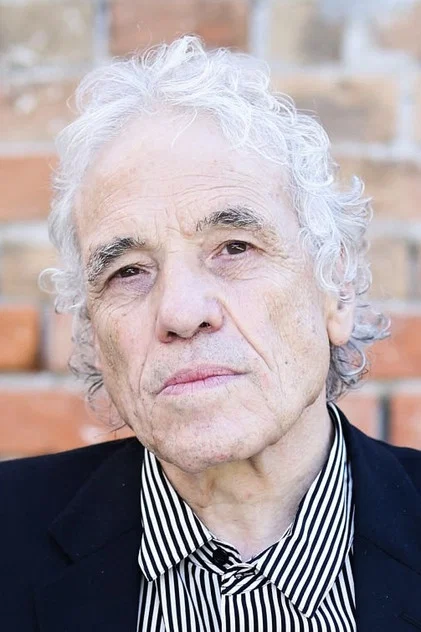

Best Director
🎬 The Funeral
Best Director
🎬 Bad Lieutenant
Abel Ferrara, a filmmaker with a distinct voice, emerged from the vibrant streets of New York City in the 1970s, where his early works began to shape the landscape of independent cinema. Known for his fearless exploration of dark themes, Ferrara’s films often delve into the complexities of morality, violence, and the human psyche, making him a significant figure in the world of neo-noir.
His career took off with the release of The Driller Killer in 1979, a gritty portrayal of a struggling artist who descends into madness. This film not only set the tone for Ferrara’s future projects but also established his reputation for provocative storytelling. Following this, Ms. 45 (1981) further cemented his status as a filmmaker unafraid to confront societal issues, focusing on themes of trauma and revenge against a backdrop of urban decay.
The 1990s marked a pivotal period for Ferrara with the release of King of New York and the critically acclaimed Bad Lieutenant. Both films showcased his ability to weave intense narratives featuring flawed characters navigating moral ambiguity. In King of New York, Christopher Walken delivered a powerful performance as a drug lord, while Bad Lieutenant featured Harvey Keitel in a harrowing portrayal of a corrupt police officer struggling with addiction and guilt.
Ferrara’s work is characterized by a unique visual style and a willingness to challenge audiences. His films often blend realism with surreal elements, creating an unsettling atmosphere that leaves a lasting impression. This approach is evident in his exploration of spirituality and redemption, as seen in The Funeral (1996), which examines the lives of characters grappling with their pasts against the backdrop of a family gathering.
Throughout his career, Ferrara has not shied away from experimentation, as demonstrated by his forays into various genres. The sci-fi horror film Body Snatchers (1993) showcased his versatility, while the cyberpunk narrative of New Rose Hotel (1998) highlighted his interest in technology and its impact on human relationships. His 2005 religious drama, Mary, further exemplifies his penchant for exploring faith and existential dilemmas.
In addition to his narrative films, Ferrara has also ventured into documentary filmmaking, providing insights into his artistic philosophy and the subjects that inspire him. His biopic on Italian filmmaker Pier Paolo Pasolini, titled Pasolini (2014), reflects his admiration for the controversial director and his own fascination with provocative storytelling.
Ferrara’s influence on the film industry extends beyond his body of work. He has inspired a generation of filmmakers who admire his commitment to independent cinema and his refusal to conform to mainstream expectations. His films often provoke discussions about morality and the human experience, leaving audiences to grapple with the complex themes he presents.
Throughout his career, Ferrara has received recognition for his contributions to cinema, including accolades at various film festivals. His ability to evoke strong emotions and provoke thought ensures that his legacy will endure, as future filmmakers continue to draw inspiration from his bold narratives and unique style.
Abel Ferrara remains a compelling figure in cinema for his unwavering commitment to exploring the darker aspects of humanity. His films challenge viewers to confront uncomfortable truths, showcasing the complexity of moral dilemmas. With a career spanning decades, Ferrara’s unique vision continues to inspire and provoke discussion, ensuring his place in the pantheon of influential filmmakers.
There are no projects categorized under this tab on our directory at the moment.
