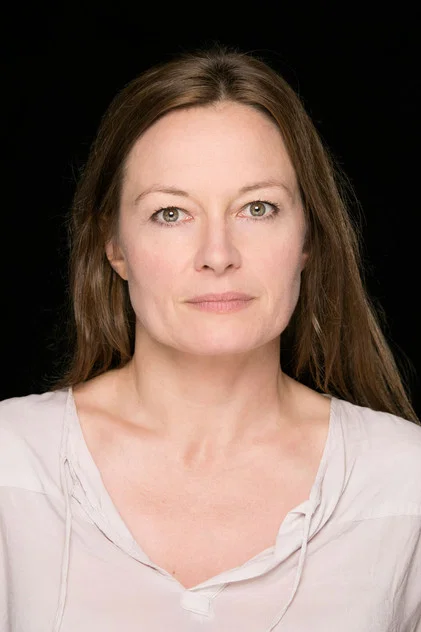

Catherine McCormack, born on April 3, 1972, in Epsom, Surrey, has carved out a distinguished space for herself in the realm of acting, showcasing a diverse range of characters across film, television, and theatre. Her career began to take shape during her formative years, where she honed her craft at the prestigious Royal Academy of Dramatic Art (RADA). This foundation prepared her for the challenges and triumphs that lay ahead in her professional life.
McCormack’s breakthrough moment came with her role in the epic film Braveheart (1995), where she played the poignant character of Murron. Her performance was a standout amidst a cast led by Mel Gibson, and it marked her entrance into the global cinematic arena. The film’s critical and commercial success opened many doors for her, allowing her to showcase her talent in a variety of genres.
Following her debut, she starred in The Land Girls (1998), which highlighted her ability to immerse herself in complex, historical narratives. In the same year, she appeared in Dangerous Beauty, a film that explored themes of love and sacrifice in a richly woven historical context. McCormack’s performances during this period were characterised by a deep emotional resonance and a commitment to authenticity.
Her versatility became even more apparent with her role in Dancing at Lughnasa (1998), a poignant exploration of familial bonds and personal dreams set in Ireland. The film showcased her ability to navigate intricate emotional landscapes with grace. McCormack continued to build on her impressive repertoire with her participation in Spy Game (2001), where she shared the screen with seasoned actors Robert Redford and Brad Pitt, affirming her place among a new generation of talent.
In 2007, she appeared in the much-acclaimed sequel 28 Weeks Later, where her performance contributed to the film’s gripping narrative. This role not only showcased her adaptability to different genres but also her willingness to engage with challenging material. McCormack’s ability to inhabit a wide array of characters has earned her respect within the industry.
Beyond her film career, McCormack’s theatrical work has been equally significant. She has taken to the stage in notable productions at the National Theatre, including All My Sons (2000) and Honour (2003). Her stage performances have been praised for their depth and intensity, further establishing her as a well-rounded actress capable of excelling in both mediums.
Throughout her career, McCormack has received various accolades, recognising her contributions to the arts. Her performances have garnered critical acclaim, and she has been nominated for several awards that reflect her talent and dedication to her craft. Her influence on the industry is palpable, inspiring a generation of actors to pursue authenticity and emotional honesty in their performances.
As she continues to evolve as an artist, Catherine McCormack’s legacy is one of resilience and versatility. Her ability to navigate both film and theatre with such finesse ensures that she remains a respected figure in the acting community. With a career that spans decades, she has left an indelible mark on the landscape of British cinema and theatre, paving the way for future talents.
Catherine McCormack has proven herself to be a compelling force in both film and theatre, bringing a unique blend of emotional depth and authenticity to her roles. Her career trajectory is a testament to her talent and determination, making her an inspiration for many aspiring actors. With a rich body of work that spans diverse genres, McCormack’s contributions to the arts continue to resonate, ensuring her place in the pantheon of British talent.
There are no projects categorized under this tab on our directory at the moment.

