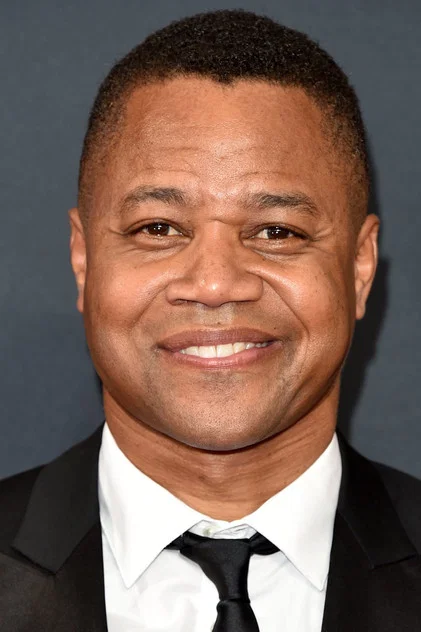

Cuba Gooding Jr. has always had a flair for performance, a trait seemingly embedded in his DNA. Born in the Bronx to a family steeped in music—his father was the lead singer of the soul group The Main Ingredient—Gooding Jr.’s early life was marked by artistic influences. His childhood took a turn when his family relocated to Los Angeles, a move that would ultimately set the stage for his future in entertainment.
Raised primarily by his mother after his father’s departure, Gooding Jr. attended multiple high schools, demonstrating leadership qualities as class president in three of them. His initial foray into performance came during the closing ceremonies of the 1984 Summer Olympics, where he break-danced alongside Lionel Richie. This early experience in front of an audience ignited his passion for the stage and screen.
Following high school, Gooding Jr. dedicated time to studying Japanese martial arts, but soon redirected his focus toward acting. He began his career with guest roles on popular television shows like Hill Street Blues and MacGyver, steadily building his resume before landing a breakthrough role in John Singleton’s critically acclaimed film Boyz n the Hood. Released in 1991, the film not only showcased his talent but also marked him as a rising star in Hollywood.
Throughout the 1990s, Gooding Jr. continued to deliver memorable performances in a variety of films. His role in A Few Good Men was followed by appearances in Outbreak and Men of Honor, demonstrating his versatility as an actor. However, it was his performance in Jerry Maguire that catapulted him to superstardom. As the flamboyant football player Rod Tidwell, Gooding delivered the unforgettable line “Show Me The Money,” a catchphrase that resonated with audiences and earned him an Academy Award for Best Supporting Actor.
Despite his early success, Gooding Jr.’s career has had its ups and downs. Films like Boat Trip and Norbit faced harsh criticism and failed to perform well at the box office, leading to a period of reevaluation in his career. Yet, he did not shy away from experimenting with different genres, including a stint in producing with A Murder of Crows, showcasing his desire to control his narrative in Hollywood.
In the years that followed, Gooding Jr. found himself drawn to grittier roles in direct-to-DVD films, while also delivering compelling performances in projects like Gifted Hands: The Ben Carson Story. His contribution to the World War II film Red Tails, produced by George Lucas, marked a significant return to the big screen, allowing him to reconnect with a broader audience.
Throughout his career, Cuba Gooding Jr. has left an indelible mark on the film industry. His ability to shift between comedic and dramatic roles reveals a flexibility that few actors possess. While he has faced challenges and received mixed reviews for some of his projects, his influence continues to be felt, and his legacy as a pioneer for African American actors remains significant.
Cuba Gooding Jr. is an actor whose career reflects both the highs and lows of Hollywood fame. His early triumphs showcased a natural talent that captivated audiences, but the subsequent struggles serve as a reminder of the fickle nature of the film industry. Nevertheless, Gooding Jr.’s ability to reinvent himself and take on diverse roles demonstrates a resilience that continues to inspire aspiring actors today. His journey is a testament to the unpredictable yet rewarding path of a creative artist.
There are no projects categorized under this tab on our directory at the moment.

