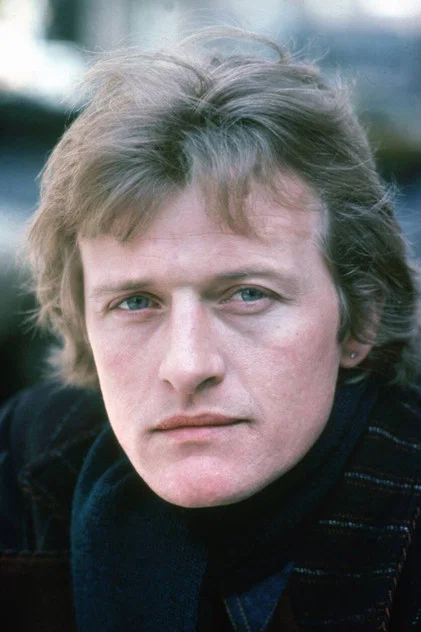

Rutger Hauer emerged from the quiet streets of Breukelen, Netherlands, to become one of cinema’s most compelling figures. Born into a family of drama teachers, Hauer’s early exposure to the arts ignited a passion for acting that would define his career. He spent his formative years in Amsterdam, where he found himself largely raised by nannies while his parents pursued their careers. At the tender age of 15, he sought adventure at sea, spending a year working on a freighter before returning home to explore his artistic aspirations.
Hauer’s entry into the world of acting was unconventional; after several years of working as an electrician and carpenter, he enrolled in night classes to hone his craft. His dedication paid off when he joined an experimental theatre troupe, which paved the way for a significant breakthrough in 1969. Cast as the lead in the Dutch television series Floris, Hauer quickly garnered attention and acclaim, marking the beginning of his ascent in the entertainment industry.
His career took a pivotal turn when he collaborated with renowned director Paul Verhoeven on Turkish Delight in 1973. This film, based on Jan Wolkers’ novel, captivated audiences both in the Netherlands and internationally, showcasing Hauer’s ability to portray complex characters. This success opened doors for his English-language debut in The Wilby Conspiracy (1975), where he shared the screen with legends Michael Caine and Sidney Poitier. Although Hauer’s role in this film went largely unnoticed in Hollywood, he would soon make a powerful impression on American audiences.
In 1981, he made his American film debut in Nighthawks, playing the chilling role of Wolfgar, a brutal terrorist. However, it was his portrayal of Roy Batty, a replicant with a profound existential crisis, in Ridley Scott’s seminal film Blade Runner (1982) that solidified his place in cinematic history. Hauer’s performance, particularly his iconic monologue, has left an indelible mark on science fiction cinema, blending vulnerability with menace in a way that only he could.
Throughout the 1980s and beyond, Hauer continued to diversify his portfolio with notable performances in films such as The Hitcher (1986), where he played a psychotic hitchhiker, and Ladyhawke (1985), where he showcased his romantic side alongside Michelle Pfieffer. His work in Sin City and Batman Begins further demonstrated his versatility, as he navigated a wide array of genres and roles.
Beyond his film career, Hauer was deeply committed to environmental and social causes. He was a passionate advocate for Greenpeace and established the Rutger Hauer Starfish Foundation to raise awareness about AIDS. His autobiography, All Those Moments: Stories of Heroes, Villains, Replicants, and Blade Runners, offers insights into his life and career, with proceeds supporting his charitable efforts.
Hauer’s acting style was characterised by a distinct blend of intensity and subtlety, often portraying characters that were deeply flawed yet strangely relatable. His ability to convey complex emotions has influenced a generation of actors and filmmakers. Even after his passing, his legacy endures, as his performances continue to resonate with audiences and inspire future talent.
In the landscape of film and television, Rutger Hauer’s contributions are remembered not only for their artistic merit but also for the profound empathy he brought to every role. His work transcends the screen, reminding us of the power of storytelling to explore the human condition.
Rutger Hauer’s unique ability to inhabit characters with depth and nuance has left an enduring impact on the film industry. His performances not only entertained audiences but also challenged them to contemplate the complexities of morality and existence. Hauer’s legacy is not just in the films he starred in but also in the conversations he sparked about humanity through his roles. His artistry continues to resonate with both fans and newcomers to cinema, ensuring that his contributions remain relevant and celebrated.
There are no projects categorized under this tab on our directory at the moment.

