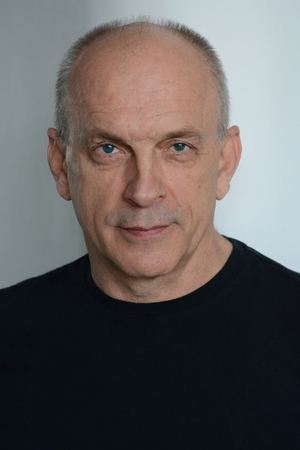

Oliver Reed
ActingWimbledon, London, England, UKRobert Oliver Reed (February 13, 1938 – May 2, 1999) was an English actor known for his "hellraiser" lifestyle. After making his first significant screen appearances in Hammer Horror films in the early 1960s, his notable films include The Trap (1966), playing Bill Sikes in the 1968 Best Picture Oscar winner Oliver! (a film directed by his uncle Carol Reed), Women in Love (1969), Hannibal Brooks (1969), The Devils (1971), portraying Athos in The Three Musketeers (1973) and The Four Musketeers (1974); the lover and stepfather in Tommy (1975), Funny Bones (1995) and Gladiator (2000).For playing Antonius Proximo, the old, gruff gladiator trainer in Ridley Scott's Gladiator, in what was his final film, Reed was posthumously nominated for the BAFTA Award for Best Actor in a Supporting Role in 2000. At the peak of his career, in 1971, British exhibitors voted Reed fifth most popular star at the box office. The British Film Institute (BFI) stated that "partnerships with Michael Winner and Ken Russell in the mid-60s saw Reed become an emblematic Brit-flick icon", but from the mid-1970s his alcoholism began affecting his career, with the BFI adding "Reed had assumed Robert Newton's mantle as Britain's thirstiest thespian".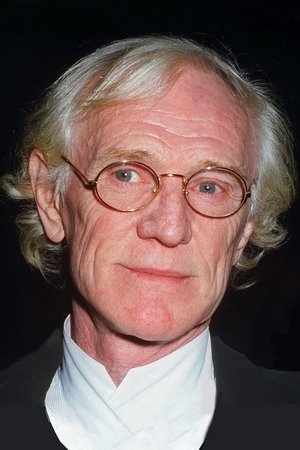
Richard Harris
ActingLimerick City, Munster, IrelandRichard Harris was a remarkable talent whose contributions to both stage and screen have left an enduring impact. Born in Limerick, Ireland, he discovered his passion for performance at a young age. His early forays into acting on stage soon transitioned into a flourishing film career, where he quickly captured the attention of audiences with his powerful presence and emotive performances.
The film that marked his ascent in the industry was This Sporting Life, where he delivered a compelling portrayal of Frank Machin. This role not only earned him an Academy Award nomination for Best Actor but also established him as a serious force in cinema, paving the way for a diverse array of characters throughout his career.
Harris was particularly adept at bringing complex personalities to life, often infusing his roles with a raw intensity. His performance as King Arthur in the 1967 movie Camelot highlighted his extraordinary vocal talent as well, merging his skills as an actor and singer. This unique combination solidified his reputation as a multifaceted performer in both film and theatre.
During the 1970s and 1980s, Harris continued to showcase his versatility with memorable performances across various genres. In A Man Called Horse, he portrayed an English aristocrat taken captive by Native Americans, demonstrating his willingness to embrace challenging roles. His depiction of Oliver Cromwell in Cromwell further established him as an actor capable of breathing life into historical figures.
The 1990s saw Harris take on a pivotal role as English Bob in Clint Eastwood's Unforgiven, a film that left a lasting mark on the Western genre. His nuanced approach to character development made him a sought-after actor, leading to significant roles in films such as The Field, where his portrayal of a struggling Irish farmer garnered him a second Academy Award nomination.
In his later years, Harris took on iconic roles, including the wise Roman Emperor Marcus Aurelius in Ridley Scott's Gladiator. His final film appearances as Albus Dumbledore in the first two Harry Potter films introduced his talents to a new generation, demonstrating his timeless appeal and enduring legacy.
Aside from acting, Harris also enjoyed a successful singing career. His version of Jimmy Webb's MacArthur Park became a chart-topping hit in several countries, showcasing his versatility as a performer and his ability to connect with audiences beyond the screen.
Harris's contributions to cinema and theatre have made him a beloved figure, with performances that continue to resonate. His legacy is marked by an unwavering dedication to his craft and a profound influence on the film industry, making him a significant character in both Irish and international cinematic history.
Insomniacs Trivia
- Richard Harris had a successful singing career, with his song 'MacArthur Park' reaching the top of the charts in multiple countries.
- He was a close friend of actor and director John Huston, who directed him in several films.
- Harris earned acclaim for his role as an Irish farmer in The Field, which was based on a play written by John B. Keane.
- In addition to acting and singing, Harris was also an accomplished painter and enjoyed creating art throughout his life.
- He was known for his larger-than-life personality and often described himself as a 'hellraiser' during his younger years.
Insomniacs Take
Richard Harris's performances left an indelible mark on the film industry, transcending generations. His ability to fully inhabit characters, combined with his powerful singing voice, made him a multifaceted talent that is still celebrated today. From his early work in theatre to his iconic roles in films like Gladiator and Harry Potter, Harris's legacy is one of passion, artistry, and a commitment to storytelling that continues to inspire actors and audiences alike.
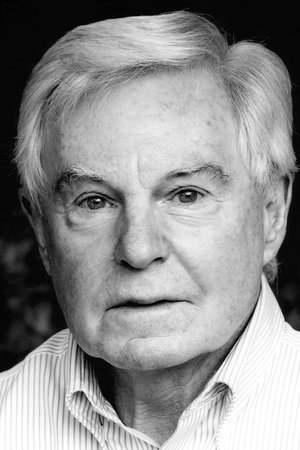
Derek Jacobi
ActingLeytonstone, London, England, UKSir Derek George Jacobi CBE (born 22 October 1938) is an English actor. Jacobi is known for his work at the Royal National Theatre and for his film and television roles. He has received numerous accolades including a BAFTA Award, two Olivier Awards, two Primetime Emmy Awards, two Screen Actors Guild Awards, and a Tony Award. He was given a knighthood for his services to theatre by Queen Elizabeth II in 1994.Description above from the Wikipedia article Derek Jacobi, licensed under CC-BY-SA, full list of contributors on Wikipedia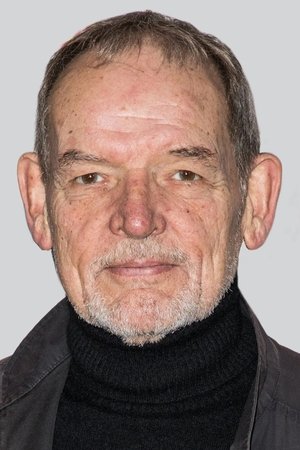
David Schofield
ActingWythenshawe, Manchester, Lancashire, England, UKDavid Schofield (born 16 December 1951) is an English actor.He is best known for his role as Ian Mercer in the films Pirates of the Caribbean: Dead Man's Chest (2006) and Pirates of the Caribbean: At World's End (2007). He also appeared in the films An American Werewolf in London (1981), Gladiator (2000), From Hell (2001), Valkyrie (2008), The Wolfman (2010) and Darkest Hour (2017).
John Shrapnel
ActingBirmingham, England, UKShrapnel was born in Birmingham, Warwickshire, the son of Mary Lillian Myfanwy (née Edwards) and journalist/author Norman Shrapnel.[1] As a stage actor, he was a member of Laurence Olivier's Royal National Theatre company and the Royal Shakespeare Company and most recently appeared as Sir Oliver Surface in The School for Scandal (directed by Deborah Warner) at the Barbican Centre in 2011. He has also appeared extensively in film and on television in roles in Elizabeth R, Z-Cars, Edward and Mrs. Simpson, 101 Dalmatians, Space: 1999, Inspector Morse, Coogan's Run, Notting Hill and Foyle's War. He presented an episode of the 1983 BBC television travel series Great Little Railways. He gave performances in three entries in the BBC Television Shakespeare plays and as Creon in the BBC's 1984 productions of the Three Theban plays of Sophocles. In America, he has starred in supporting roles as Senator Gaius in Gladiator, Nestor in Troy and Pompey in the second episode of Ancient Rome: The Rise and Fall of an Empire. He also played the Jail Warden in the 10th Kingdom, an epic fantasy miniseries. He has the rare achievement of appearing in two episodes of Midsomer Murders as two different characters, in Death in Chorus and Written in Blood. Shrapnel appeared in an episode of Jonathan Creek as Professor Lance Graumann in the episode The Omega Man. He appears in Chemical Wedding alongside Simon Callow, telling the tale of the resurrection of occultist Aleister Crowley. Shrapnel also has experience in the field of BBC radio drama through such characters as Colin Dexter's Inspector Morse and William Gibson's Neuromancer. He is the son-in-law of Deborah Kerr through his 1975 marriage to her younger daughter Francesca Ann Bartley. They have three sons, the actors Lex Shrapnel (b.1979), Tom Shrapnel (b.1981) and the writer Joe Shrapnel (b.1976). They live in Highbury, north London.