
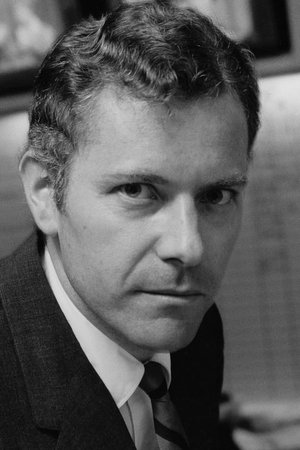
Leonard Harris
ActingThe Bronx, New York City, New York, USALeonard Harris (September 27, 1929 – August 28, 2011) was an American actor, critic and author. Despite his short acting career, he is well-known for his roles as Senator Charles Palantine in Taxi Driver (1976) and the mayor in Hero at Large (1980).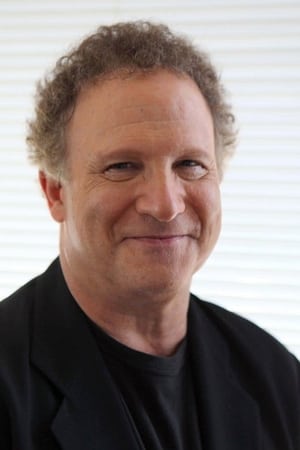
Albert Brooks
DirectingBeverly Hills, California, USAAlbert Brooks, born Albert Lawrence Einstein, is a multifaceted talent who has made significant contributions to the world of film and comedy. His early career saw him establishing a reputation as a stand-up comedian, with a unique style that combined wit and introspection. Brooks’ ability to weave personal experiences into his routines set him apart, earning him a devoted following.
Transitioning from the stage to the screen, Brooks carved a niche for himself in Hollywood through both acting and directing. His breakout performance in the 1976 classic Taxi Driver marked the beginning of a compelling film career, where he often portrayed neurotic yet relatable characters. In the years that followed, his roles in Private Benjamin and Unfaithfully Yours further showcased his comedic timing and depth as an actor.
However, it was his work behind the camera that truly highlighted his versatility. With films like Modern Romance and Lost in America, Brooks displayed a keen understanding of the complexities of human relationships, blending humor with poignant social commentary. His 1991 film Defending Your Life is particularly notable, reflecting on the concept of life after death with a comedic yet thoughtful approach.
In 1987, Brooks received an Academy Award nomination for Best Supporting Actor for his role in Broadcast News, solidifying his status as a serious actor. His portrayal of a driven, ambitious producer resonated with audiences and critics alike, demonstrating his ability to navigate both comedy and drama seamlessly.
Brooks continued to take on diverse roles throughout his career, including his memorable performance as a menacing mobster in the 2011 film Drive. This role showcased his range and depth, proving that he could tackle intense and dramatic characters just as effectively as he did comedic ones.
In addition to his film work, Brooks has lent his voice to several beloved animated characters, most notably Marlin in Pixar's Finding Nemo and Finding Dory. His voice work has been praised for adding emotional depth to the characters, further extending his influence in the industry.
Throughout his career, Brooks has garnered recognition not just for his performances, but also for his contributions to the comedy genre. He has been a pioneer in blending humor with thoughtful storytelling, often exploring themes of existentialism and human frailty in his work.
Albert Brooks’ legacy in the film industry is marked by his unique blend of comedy and drama, and his ability to critically engage with the human experience. His influence is evident in the works of many contemporary filmmakers and comedians who draw inspiration from his groundbreaking style.
Insomniacs Trivia
- Albert Brooks is actually the son of radio comedian Harry Einstein, known as "Harry of the Laughter".
- He once hosted a television special titled "The Albert Brooks Special" in 1973, showcasing his comedic talents.
- In addition to his film work, Brooks is an accomplished author, having published a book titled 2030: The Real Story of What Happens to America.
- Brooks has made guest appearances on popular shows like The Simpsons, voicing memorable characters such as Hank Scorpio.
- His film Lost in America satirizes the American dream and explores themes of consumerism and personal identity.
Insomniacs Take
Albert Brooks remains a unique figure in the entertainment world, seamlessly blending sharp comedic insights with profound reflections on life. His ability to tackle serious themes through a humorous lens continues to resonate with audiences, establishing him as a significant voice in both comedy and film. As he moves forward, Brooks’ influence on future generations of comedians and filmmakers is undeniable, ensuring his place in cinematic history.
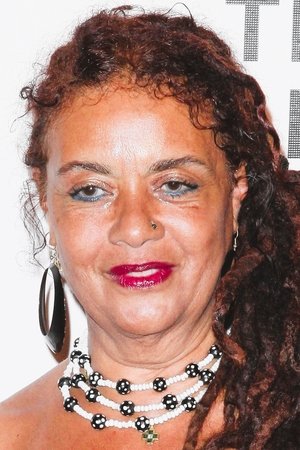
Diahnne Abbott
ActingNew York City, New York, USADiahnne Abbott was born on May 1, 1945 in New York City, New York, USA. She is an actress, known for Taxi Driver (1976), The King of Comedy (1982) and Love Streams (1984). She was previously married to Robert De Niro.
Frank Adu
ActingWhite Plains, New York, USAFrank Edward Robinson was born on April 25, 1937 to the late Adkin and Mary Robinson in White Plains, New York. Frank was a resident of The Bronx, New York for nearly seventy-five years. He was educated in New York City public schools in the Bronx and Manhattan and later studied acting at the American Community Theater under the direction of the late Maxwell Glanville. He was united in marriage to Claretha Fleming on November 27, 1965. In this union they raised three children. Frank completed one tour of service in the United States Marine Corps beginning in 1956. Later, while raising his family and pursuing an acting career, he gained employment with the United Postal Service where he remained until his retirement in 2001. His true passion was for the arts as a vehicle for cultural and political awareness. This led him to join a group of artists with similar interests and worldview to help found the African Jazz Arts Society and Studios (AJASS), a progenitor of the Black Arts and "Black is Beautiful" movements, out of which grew the renowned Grandassa Models and the "Naturally" show. In addition to being one of two male "Naturally" models, Frank served as the Director of the AJASS Repertory Theater, staging and appearing in Caste Life Revue and Portrait of Patrice Lumumba. Forever connected to his AJASS family, Frank extended his reach as he pursued a career as a professional actor, devoting his time talent and energy to theater as a performer, teacher and mentor. Performing in venues at home and abroad (Switzerland, France and Italy), Frank worked in stage, television and on the big screen. Among his stage credits are Amiri Baraka's Slave Ship; Ray Aranha's My Sister, My Sister; Richard Wesley's The Mighty Gents; Phillip Hayes Dean's Every Night When the Sun Goes Down; Melvin van Peebles' Ain't Supposed to Die A Natural Death; August Wilson's Joe Turner's Come and Gone & Two Trains Running; Leslie Lee's Black Eagles; Public Theater Productions of The Basic Training of Pavlo Hummel and Corelainus. As a member of Gertrude Jeannette's HADLEY Players Repertory Company, Frank also appeared in This Way Forward, A Bolt from the Blue and Gladys' Dilemma. Film appearances include Across 110th Street, Fort Apache The Bronx, Love and Death, Taxi Driver, Heart, For Love of the Game and Malcolm X. Work in television includes Like It Is, Kojak, The Equalizer, Spencer for Hire, New York Undercover, Law and Order and The Cosby Show.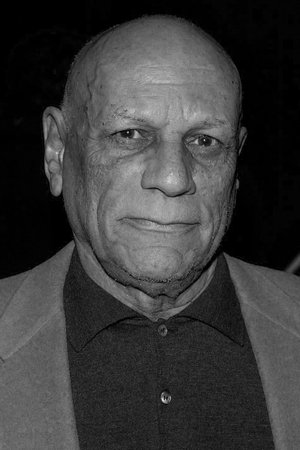
Victor Argo
ActingBrooklyn, New York, USAVictor Argo (November 5, 1934 – April 7, 2004) was a Puerto Rican - American actor who usually played the part of a tough bad guy in his movies.Description above from the Wikipedia article Victor Argo, licensed under CC-BY-SA, full list of contributors on Wikipedia.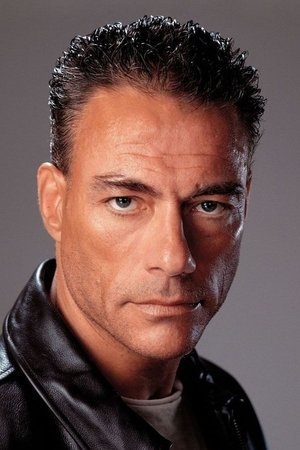
Jean-Claude Van Damme
ActingBerchem-Sainte-Agathe, Brussels, BelgiumJean-Claude Van Damme, affectionately dubbed "The Muscles from Brussels," emerged from a modest background in Berchem-Sainte-Agathe, a suburb of Brussels, Belgium. Born Jean-Claude Camille François van Varenberg, he was immersed in the world of martial arts from an early age, thanks to his father's encouragement to build physical strength. By the age of twelve, he was training intensively in karate at the Centre National De Karate under the watchful eye of Master Claude Goetz. His dedication was evident early on, as he earned the European professional karate association's middleweight championship during his teenage years and secured a place on the Belgian Karate Team.
At just sixteen, Van Damme made the leap into martial arts competition, quickly establishing himself as a formidable contender. With an impressive kickboxing record of 18 wins and just one loss, he was already garnering attention. However, his aspirations extended beyond the competitive arena, leading him to venture to Hong Kong at nineteen, where he sought to break into the film industry.
In 1981, Van Damme relocated to Los Angeles, navigating various jobs such as carpet layer and pizza delivery to support his acting dreams. A key moment came when he crossed paths with Chuck Norris, which led to a bouncer position at a nightclub. This chance encounter opened doors in Hollywood, and his first notable role appeared in the 1984 film "Missing in Action." However, it was his turn as the antagonist Ivan in the cult classic "No Retreat, No Surrender" that truly began to shine a spotlight on his martial arts skills.
The turning point in Van Damme's career arrived with the release of "Bloodsport" in 1988. Initially fraught with challenges and nearly shelved, the film ultimately saw a remarkable release due to Van Damme's insistence on re-editing it. The film found immense success, grossing approximately $30 million worldwide on a relatively modest budget, thrusting him into the limelight as a new action star.
With his striking looks and undeniable skill, Van Damme quickly secured leading roles in several major films, including "Cyborg" (1989), "AWOL: Absent Without Leave" (1990), "Double Impact" (1991), and "Universal Soldier" (1992). Nevertheless, it was the 1994 hit "Timecop" that marked a significant milestone, achieving blockbuster status with global earnings exceeding $100 million. Amidst this professional success, personal challenges loomed, leading to several tumultuous relationships.
As the late '90s approached, Van Damme faced a series of underperforming projects, including "The Quest" and "Maximum Risk," which led him to a career crossroads. However, he embraced these challenges, focusing on personal growth and reuniting with his ex-wife Gladys Portugues. This period of reflection led to a resurgence in his career, with films like "Replicant" (2001), "Derailed" (2002), and "In Hell" (2003) showcasing his adaptability and evolution as an actor.
Throughout his time in the industry, Jean-Claude Van Damme has been celebrated for his distinctive style, merging intense physicality with a charismatic screen presence. He has made a lasting impression on the action genre, inspiring a generation of martial artists and actors. His contributions to film and his embodiment of the action hero archetype have ensured that his legacy continues to resonate with audiences around the world.
Insomniacs Trivia
- Jean-Claude Van Damme was once a member of the Belgian Karate Team before becoming a film star.
- He holds a black belt in multiple martial arts, including karate and kickboxing.
- Van Damme's film, "Bloodsport," is based on the true story of Frank Dux, a martial artist who competed in a secret underground tournament.
- He was a pioneer in showcasing the use of martial arts in American action films during the late 1980s and early 1990s.
- Van Damme has made cameo appearances in various films and television shows, often referencing his own action movie persona.
Insomniacs Take
Jean-Claude Van Damme's influence on action cinema is substantial. His remarkable ability to blend martial arts with engaging storytelling has paved the way for countless actors in the genre. Despite the ups and downs of his personal and professional life, his resilience stands out. Films like "Bloodsport" and "Timecop" did more than entertain; they redefined the action hero mold, combining impressive physical skill with emotional depth. Van Damme remains a cherished figure, inspiring fans and aspiring actors alike.