
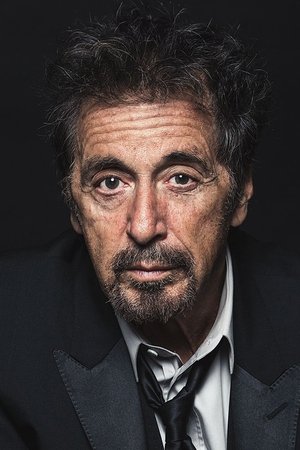
Al Pacino
ActingNew York City, New York, USAAl Pacino is the absolute gold standard of cinematic intensity, a roaring powerhouse who didn't just walk into Hollywood—he completely rewired how movie stars act. Rising from the gritty streets of East Harlem, he became the definition of the 1970s New Hollywood revolution, bringing a twitchy, hyper-focused, and utterly ferocious energy to the screen that changed the game forever.He didn't just find fame; he commanded it immediately by delivering one of the most legendary runs in film history, starring as Michael Corleone in The Godfather, looking down the barrel of a badge in Serpico, and screaming his lungs out in Dog Day Afternoon. Pacino has never been an actor to play things safe or quiet. Whether he was snorting mountains of powder as Tony Montana in Scarface, going toe-to-toe with Robert De Niro in Heat, or finally bagging his Oscar for Scent of a Woman, he always treats a script like a high-stakes battleground, pouring every ounce of his soul into every single line.Even as an absolute elder statesman of the industry, he hasn't shown a single shred of desire to slow down or quietly count his millions. He recently teamed up with director Gus Van Sant for the gripping crime thriller Dead Man's Wire, starring alongside Bill Skarsgård in a tense, retro hostage story. He followed that straight up with a brilliant, chaotic cameo in Julian Schnabel’s bizarre Renaissance-mafia comedy In the Hand of Dante, popping up alongside Martin Scorsese and completely stealing the show.He remains a proper force of nature who still treats the acting craft with the exact same hunger he had fifty years ago. He is a monumental pillar of classic cinema, a bloke who refuses to let the fire fade, and whenever his name is attached to a project, you know you are witnessing a living legend completely dominating his space.Insomniacs Trivia
• The Godfather Near-Firing Battle: It is impossible to imagine anyone else playing Michael Corleone, but Paramount executives absolutely hated Pacino’s quiet, understated approach during the first few weeks of filming. They thought he was boring and actively tried to fire him three separate times, wanting a big name like Jack Nicholson or Robert Redford instead. Director Francis Ford Coppola had to sneakily move up the filming of the intense Italian restaurant scene just so Pacino could unleash his raw acting power and save his own job.• The Blind Method Injuries: When he was preparing to play the blind Lieutenant Colonel Frank Slade in Scent of a Woman, Pacino took his method acting so seriously that he retrained his eyes to completely stop focusing on anything. He stayed in character even when the cameras stopped rolling, using a cane to walk around the set. He got so good at mimicking blindness that he actually tripped over a bush and severely damaged his cornea because he forced himself not to look down.• The Rejection of Cinema History: Pacino has famously turned down some of the biggest movie roles of all time, completely altering the course of film history. He was the absolute first choice to play Han Solo in Star Wars, but turned it down because he didn't understand the space-heavy script. He also walked away from playing John McClane in Die Hard, Edward Lewis in Pretty Woman, and even Apocalypse Now, jokingly saying he gave Harrison Ford, Bruce Willis, and Richard Gere entire careers out of pure laziness.Insomniacs Take
Al Pacino is a proper titan who represents the absolute pinnacle of acting integrity and raw, unadulterated passion. In a modern Hollywood full of risk-averse performers who treat their careers like corporate branding exercises, Pacino has spent over half a century chasing the artistic fire, completely unafraid of looking wild, unhinged, or utterly messy on screen. His legendary presence elevates everything he touches into an absolute event, and he remains a massive, irreplaceable credit to the entire history of cinema.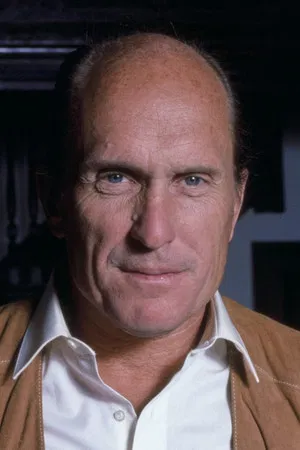
Robert Duvall
ActingSan Diego, California, USARobert Duvall has established himself as a formidable actor, renowned for his profound performances and remarkable adaptability. Born in 1931, Duvall's early foray into the arts saw him immersed in the vibrant theatre scene of the late 1950s, where he sharpened his skills before making the transition to the silver screen.
His initial steps in the industry featured noteworthy roles that hinted at his burgeoning talent. Duvall's portrayal of Boo Radley in the timeless classic To Kill a Mockingbird (1962) introduced him to a broader audience, paving the way for future accolades. The early 1960s were marked by appearances in a variety of television shows and films, including Captain Newman, M.D. (1963) and the cult favourite M*A*S*H (1970), where he played the memorable Major Frank Burns.
Duvall's career took a significant leap forward with his performance in The Godfather (1972), where he embodied Tom Hagen, a character that navigated the intricate themes of loyalty and family. His return in The Godfather Part II (1974) further solidified his reputation as a leading actor, demonstrating his ability to convey deep emotional nuances that resonated with audiences.
The 1970s proved to be a fruitful decade for Duvall, as he continued to tackle complex roles, earning critical acclaim for his work in The Conversation (1974), Network (1976), and the legendary war film Apocalypse Now (1979). His portrayal of Lieutenant Colonel Bill Kilgore remains one of the most striking performances in cinematic history, blending charisma with an unsettling intensity.
The 1980s marked a peak in Duvall's illustrious career, highlighted by his Oscar-winning role in Tender Mercies (1983). In this film, he played a down-and-out country singer on a quest for redemption, a performance that resonated powerfully with both audiences and critics, ultimately earning him the Academy Award for Best Actor. He also showcased his versatility in films like The Natural (1984), where he played the wise, seasoned coach, further displaying his ability to embody diverse characters.
As Duvall's career unfolded, he remained a vital presence in the film industry, consistently taking on roles that challenged him. His performances in Days of Thunder (1990), Falling Down (1993), and Secondhand Lions (2003) illustrated his capacity to adapt to the shifting landscape of cinema, participating in both independent films and larger productions that highlighted his dedication to storytelling.
In addition to his impressive accolades, which include four Golden Globe Awards, a BAFTA, and two Primetime Emmy Awards, Duvall's influence extends beyond the screen. He is often regarded as a mentor to aspiring actors, admired for his commitment to the craft and his willingness to embrace creative risks.
Duvall's exploration of filmmaking also saw him stepping behind the camera, allowing him to shape narratives and bring unique stories to fruition, underscoring his deep understanding of character and story. His legacy is characterised by authenticity and a relentless pursuit of excellence, inspiring new generations of actors and leaving an indelible mark on the film and television landscape.
Insomniacs Trivia
- Duvall's performance in Apocalypse Now was inspired by real-life experiences and interactions with soldiers.
- He has a deep passion for horse riding and has often incorporated this interest into his film roles.
- Robert Duvall studied at the prestigious Neighborhood Playhouse School of the Theatre in New York City.
- He has a production company named Butcher's Run Films, which has produced several projects throughout his career.
- Duvall is known for his love of literature and has cited authors like Ernest Hemingway as major influences on his work.
Insomniacs Take
Robert Duvall's cinematic contributions remain unparalleled, and his unique ability to inhabit diverse characters continues to captivate audiences. His performances are marked by a profound understanding of the human condition, making each role feel genuine and relatable. As viewers revisit his films, they not only witness the evolution of an extraordinary talent but also explore the depth of storytelling that resonates through generations. Duvall's legacy as an actor and filmmaker is firmly established, and his influence on the industry will undoubtedly resonate for years to come.

Diane Keaton
ActingLos Angeles, California, USADiane Keaton is a name that strikes a chord with both cinephiles and casual viewers, celebrated for her exceptional fusion of comedic flair and dramatic gravitas. Born Diane Hall in January 1946, she has enchanted audiences for more than sixty years with her distinct style and unforgettable portrayals. Keaton's career is distinguished by her readiness to challenge norms, often opting for roles that highlight her quirky charm and substantial talent.
Her artistic journey commenced on the Broadway stage, where she made her entrance in the revolutionary musical Hair in 1968. Keaton's vibrant stage presence quickly attracted attention, earning her a nomination for a Tony Award for Best Featured Actress the following year thanks to her role in Woody Allen's play, Play It Again, Sam. This early acclaim paved the way for her transition to the silver screen, making her film debut in Lovers and Other Strangers in 1970.
Keaton's breakthrough came in 1972 with her portrayal of Kay Adams-Corleone in Francis Ford Coppola's The Godfather. This role not only established her as a leading actress but also showcased her skill in navigating complex character arcs. She reprised this iconic character in the film's sequels, solidifying her status in cinematic history.
A significant portion of Keaton's noteworthy work has been in collaboration with Woody Allen, starting with the film adaptation of Play It Again, Sam. Her comedic talent flourished in films like Sleeper and Love and Death, where she seamlessly blended humour with deeper themes. However, it was her performance in the 1977 romantic comedy Annie Hall that truly defined her career, earning her an Academy Award for Best Actress. The character's eccentric personality and distinctive fashion sense became cultural benchmarks, influencing a wave of performers and fashion aficionados.
Despite her success in comedy, Keaton was keen to avoid being typecast. She ventured into more serious roles, proving her versatility in films such as Looking for Mr. Goodbar and Interiors, both released in 1977. Her portrayal of feminist activist Louise Bryant in Reds earned her additional Academy Award nominations, demonstrating her capacity to tackle intricate and challenging roles.
Throughout her career, Keaton continued to evolve, embracing a variety of roles that reflected her extensive range as an actress. Films like Marvin's Room and Something's Gotta Give highlighted her dramatic abilities, while her work in popular comedies like Father of the Bride and The First Wives Club allowed her to retain her comedic roots. Notable appearances in films such as The Family Stone and Book Club showcased her lasting appeal and ability to resonate with audiences across different generations.
Keaton's contributions to cinema have been met with numerous accolades, including two Golden Globe Awards and the esteemed AFI Life Achievement Award. Her influence reaches beyond her filmography; she has inspired a generation of actors with her bold approach to character work and her unique fashion sense, often defined by her signature hats and tailored outfits.
As Keaton embraced new challenges, her legacy became firmly established. She emerged as a pioneer for actresses striving to carve out their own identities in a male-dominated industry. Her capacity to blend vulnerability with resilience has left a significant imprint on the film landscape, encouraging others to embrace their distinctiveness and pursue their artistic visions.
Diane Keaton's career is a testament to versatility and innovation, with her impact on the film industry being profound. As she navigated the shifting currents of Hollywood, she consistently proved that authenticity and originality are vital for longevity in the entertainment realm.
Insomniacs Trivia
- Diane Keaton is known for her unique fashion choices, often incorporating vintage and eclectic styles into her wardrobe.
- She has a passion for photography and has published several books featuring her work.
- Keaton's performance in Annie Hall was inspired by her own experiences and personality traits.
- She has directed several films, showcasing her multifaceted talent in the industry.
- Keaton is a devoted advocate for animal rights and has been involved in various charities supporting the cause.
Insomniacs Take
Diane Keaton's ability to traverse both comedic and dramatic roles with such finesse makes her a true gem in the film industry. Her influence is palpable, encouraging new generations of actors to embrace their quirks and individuality. Keaton's performances are not only entertaining but also thought-provoking, often leaving a lasting impression on audiences. Her legacy is one of fearless creativity, inspiring many to follow in her footsteps.
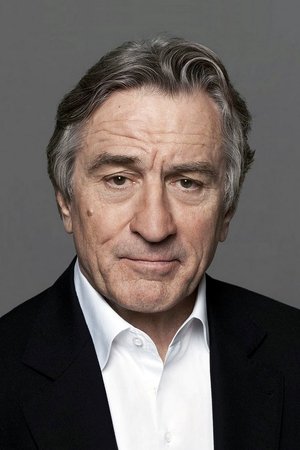
Robert De Niro
ActingGreenwich Village, New York City, New York, USARobert De Niro is a monumental titan of cinema who basically defined what it means to be a gritty, intense method actor. The New York-born legend has spent over half a century turning characters into iconic pop-culture gold, bringing a cold, razor-sharp intensity to the screen that makes it impossible to look away.He didn't just find success in Hollywood; he completely hijacked it in the 70s and 80s alongside director Martin Scorsese, creating some of the greatest characters ever committed to film. Whether he was looking in the mirror asking "You talkin' to me?" in Taxi Driver, mutating his own body to play Jake LaMotta in Raging Bull, or bringing a chilling composure to Jimmy Conway in Goodfellas, De Niro’s work has always been pure, unadulterated masterclass. He’s the bloke who proved you can say absolutely everything with just a slight squint of the eyes or a twitch of the jaw.While he’s spent a lot of his later career having a laugh in massive comedies like Meet the Parents, he has absolutely zero interest in quietly retiring to a luxury estate. He completely dominated the screen in Netflix’s political thriller series Zero Day, and he’s gearing up for a massive summer starring as a retired detective in the dark psychological thriller film The Whisper Man. He's also diving straight back into his iconic comedy roots, reuniting with Ben Stiller for the highly anticipated sequel Focker-in-Law.He’s a proper, hard-grafting pioneer who changed the entire blueprint of screen acting forever. He doesn't need to prove a single thing to anyone, yet he still turns up and brings that legendary, heavy-hitting presence every time. When you see his name in the credits, you know you are watching absolute cinema history in motion.Insomniacs Trivia
• The Real Taxi License Shift: To prepare for his iconic role as Travis Bickle in Taxi Driver, De Niro didn't just read the script. He actually went out and obtained a official, legal New York City hack driver's license. While on breaks from filming another movie, he spent weeks driving unsuspecting passengers around the gritty streets of New York for twelve hours a night, just to completely absorb the isolation and mindset of a real cabbie.• The Permanent Mouth Destruction: When he signed on to play the psychotic Max Cady in Cape Fear, De Niro wanted to look genuinely terrifying. He paid a dentist five thousand dollars to deliberately grind down, misalign, and stain his teeth so he’d have a proper, menacing smile on camera. Once production wrapped, he had to shell out another twenty thousand dollars to have the exact same dentist completely rebuild and fix his mouth.• The Corleone Dialect Grind: For his Oscar-winning role as a young Vito Corleone in The Godfather Part II, De Niro had to speak almost entirely in Sicilian. Instead of just memorizing the phonetics like a lazy actor, he moved to Sicily for several months before shooting started. He lived among the locals in a tiny village, recording their conversations and practicing the precise regional dialect every day until he could speak it perfectly like a native.Insomniacs Take
Robert De Niro is a class act who stands as an absolute pillar of modern cinema history. In an industry full of safe, overly managed performers who treat their acting roles like clean corporate PR, he has spent decades completely throwing himself into the dark, messy, and intensely psychological corners of human nature. His legendary filmography speaks for itself, and his continuous drive to jump between heavy crime dramas and big studio comedies shows a bloke who genuinely loves the craft. He’s a massive credit to motion pictures, and he remains a guaranteed safe bet for an absolute masterclass.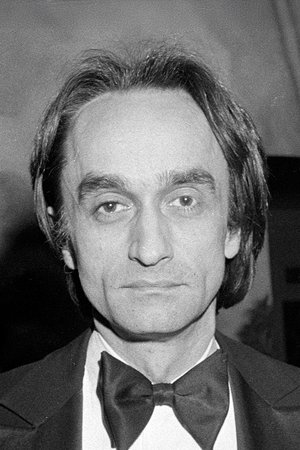
John Cazale
ActingBoston, Massachusetts, USAJohn Holland Cazale (August 12, 1935 - March 12, 1978) was an American actor. He appeared in five films during six years, each one nominated for the Academy Award for Best Picture: The Godfather, The Conversation, The Godfather Part II, Dog Day Afternoon, and The Deer Hunter. He appeared in archival footage in The Godfather Part III, also nominated for Best Picture, making him the only actor to have this multi-film distinction. From his start as a theater actor, he became one of Hollywood's premier character actors, starting with his role as the doomed, weak-minded Fredo Corleone opposite longtime friend Al Pacino in Francis Ford Coppola's film The Godfather and its 1974 sequel.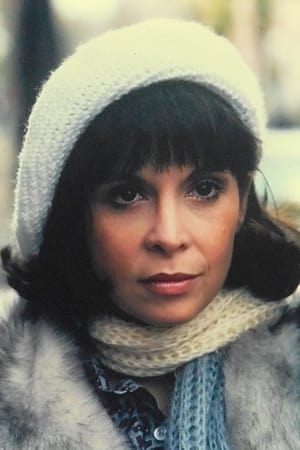
Talia Shire
ActingLake Success, New York, USATalia Shire, originally named Talia Rose Coppola, has made a significant impact on the film industry through her captivating performances. Coming from a family with deep ties to cinema, she is the daughter of composer Carmine Coppola and the sister of the renowned director Francis Ford Coppola. This artistic background undoubtedly influenced her early steps into acting, setting the stage for a distinctive career.
Shire began her journey in theatre, engaging in off-Broadway productions that allowed her to refine her skills. Her big break arrived with her role as Connie Corleone in Francis Ford Coppola's classic film, "The Godfather" (1972). This portrayal not only showcased her talent but also marked her as a serious actress in Hollywood, providing her with the chance to collaborate with some of the industry's most esteemed professionals.
However, it was her performance as Adrian Pennino in the "Rocky" series that truly brought her into the spotlight. As the supportive and gentle wife of Sylvester Stallone's character, Shire conveyed a blend of vulnerability and strength that resonated with audiences. Her compelling performance earned her critical acclaim and an Academy Award nomination for Best Supporting Actress, firmly establishing her place in the cinematic landscape.
Throughout her career, Shire has exhibited a remarkable capability to take on a variety of roles across different genres, from heartfelt drama to light-hearted comedy. Her appearances in sequels such as "Rocky II" and "Rocky III," as well as in "The Godfather Part II," further demonstrated her ability to bring depth and authenticity to her characters.
In addition to her film accomplishments, Shire has also made a mark in television, participating in various series that showcase her acting prowess. Her performances often resonate with viewers due to their relatable and authentic nature, which has helped cultivate a devoted fan base over the years.
Shire's contributions to the film industry have garnered her numerous accolades, including several award nominations. Her influence extends beyond her performances; she has paved the way for aspiring actresses, demonstrating the power of strong, multifaceted female characters. Her ability to portray complex women has left a lasting impression on the industry, inspiring generations of artists.
As a prominent figure in two of cinema's most acclaimed franchises, Shire's legacy is well established. Her work has not only entertained millions but has also played a crucial role in the evolution of character-driven storytelling in film. Talia Shire's enduring presence in the industry is celebrated for her unforgettable roles and the significant contributions she has made to cinematic history.
Insomniacs Trivia
- Talia Shire's brother, Francis Ford Coppola, directed her in both "The Godfather" and "The Godfather Part II".
- She was nominated for an Academy Award for Best Supporting Actress for her role in "Rocky".
- Shire has also worked as a producer, with her production credits including several independent films.
- She is known for her distinctive voice, which has often been highlighted in her performances.
- In addition to acting, Shire has participated in various charity events, advocating for causes she is passionate about.
Insomniacs Take
Talia Shire’s career exemplifies her exceptional talent and the meaningful roles she has embraced. From the nurturing presence of Adrian to the intricate layers of Connie Corleone, her performances have profoundly influenced cinema. Shire's knack for embodying relatable characters has endeared her to audiences over the decades. Her impact is a reminder of the necessity for strong female representation in film, and her legacy is set to inspire future generations for years to come.