

Christian Bale
ActingHaverfordwest, Pembrokeshire, Wales, UKChristian Bale stands as a formidable presence in modern cinema, renowned for his remarkable capacity to reinvent himself for diverse roles. Hailing from Wales and born in January 1974, Bale began his journey in the performing arts at an early age, demonstrating an aptitude that would shape his future in film.
His breakthrough moment arrived when he was just 13, landing a pivotal role in Steven Spielberg's poignant war drama, Empire of the Sun. This early achievement opened doors to a variety of supporting and lead roles. However, it was during the early 2000s that he truly began to capture the imagination of audiences worldwide.
Bale's portrayal of the enigmatic Patrick Bateman in the 2000 film American Psycho marked a significant shift in his career trajectory. The film's darkly comedic narrative about identity and materialism showcased Bale's knack for complex characters, earning him a devoted fanbase and critical recognition. Subsequently, he underwent a dramatic physical transformation for his role in The Machinist (2004), shedding a substantial amount of weight to convincingly depict a man grappling with insomnia and psychological turmoil, which further established his reputation for intense commitment to his roles.
In 2005, Bale took on the legendary role of Batman in Batman Begins, successfully revitalising the character for a new generation of fans. His performances in the trilogy, including The Dark Knight (2008) and The Dark Knight Rises (2012), received widespread acclaim and contributed to the films becoming some of the highest-grossing titles in cinematic history. Bale’s nuanced interpretation of Batman added layers of depth that distinguished him within the superhero genre.
Continuing to expand his repertoire, Bale delivered notable performances beyond the caped crusader. In The Prestige (2006), he portrayed a magician embroiled in a fierce rivalry, showcasing his versatility in a film rich with mystery and drama. His role as the infamous bank robber John Dillinger in Public Enemies (2009) further highlighted his ability to inhabit historical figures with authenticity.
In 2010, Bale received the Academy Award for Best Supporting Actor for his compelling portrayal of Dicky Eklund in The Fighter, a biographical film that underscored his dedication to embodying real-life personas. This accolade heralded a series of acclaimed performances in subsequent years, including his roles in American Hustle (2013), The Big Short (2015), and Vice (2018). Each of these performances brought him additional accolades, including Golden Globe nominations and victories, reflecting his sustained excellence in the industry.
His portrayal of Dick Cheney in Vice was particularly commendable, as Bale once again transformed his physical appearance to capture the essence of the controversial politician. This performance was met with critical acclaim, demonstrating his skill in tackling complex and often contentious figures with subtlety.
In 2019, Bale portrayed Ken Miles in Ford v Ferrari, a role that showcased his ability to blend emotional depth with high-stakes storytelling. His performance earned him another Golden Globe nomination, reinforcing his status as one of the leading actors of his generation.
Throughout his career, Bale has been celebrated for his extraordinary adaptability, earning accolades that mirror his unwavering dedication to the craft of acting. His influence on the film industry is substantial, inspiring aspiring actors to embrace the transformative power of performance. Bale's enduring legacy is one marked by artistry, commitment, and a relentless quest for excellence in cinema.
Insomniacs Trivia
- Christian Bale was a child actor before achieving fame in Hollywood.
- He has played characters across a wide array of genres, from drama to action to comedy.
- Bale is known for his strict diet and exercise regimens to prepare for roles.
- He is a passionate advocate for environmental issues and has supported various charities.
- Bale's performance in American Psycho has become a cultural touchstone, often referenced in discussions about the film's critique of consumer culture.
Insomniacs Take
Christian Bale’s career is a masterclass in versatility and dedication. His willingness to transform for roles sets him apart in an industry that often prioritises typecasting. Whether embodying a superhero or a political titan, Bale's performances are consistently layered and compelling. As audiences, we are fortunate to witness an actor who continually pushes boundaries and challenges himself, making each role as memorable as the last.
Heath Ledger
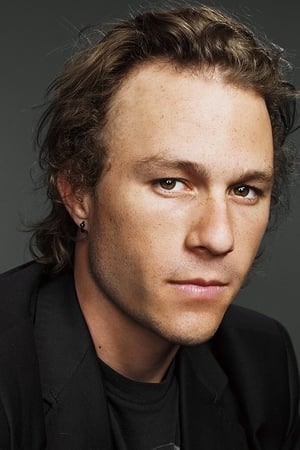
ActingPerth, Western Australia, AustraliaHeath Andrew Ledger (April 4, 1979 – January 22, 2008) was an Australian actor and music video director. After playing roles in several Australian television and film productions during the 1990s, Ledger moved to the United States in 1998 to develop his film career further. His work consisted of twenty films, including 10 Things I Hate About You (1999), The Patriot (2000), A Knight's Tale (2001), Monster's Ball (2001), Lords of Dogtown (2005), Brokeback Mountain (2005), Candy (2006), I'm Not There (2007), The Dark Knight (2008), and The Imaginarium of Doctor Parnassus (2009), the latter two being posthumous releases. He also produced and directed music videos and aspired to be a film director.For his portrayal of Ennis Del Mar in Brokeback Mountain, Ledger won the New York Film Critics Circle Award for Best Actor and the Best International Actor Award from the Australian Film Institute; he was the first actor to win the latter award posthumously. He was nominated for the BAFTA Award, Screen Actors Guild Award, Golden Globe Award and the Academy Award for Best Actor, becoming the eighth-youngest nominee in the category at that time. Posthumously, he shared the 2007 Independent Spirit Robert Altman Award with the rest of the ensemble cast, the director, and the casting director for the film I'm Not There, which was inspired by the life and songs of American singer-songwriter Bob Dylan. In the film, Ledger portrayed a fictional actor named Robbie Clark, one of six characters embodying aspects of Dylan's life and persona.Ledger died on 22 January 2008 as a result of an accidental overdose of medications. A few months before his death, Ledger had finished filming his role as the Joker in The Dark Knight. At the time of his death, The Dark Knight was in post-production, and The Imaginarium of Doctor Parnassus, in which he was playing his last role as Tony, was in the midst of filming. His death affected the subsequent promotion of The Dark Knight. His performance as the Joker in The Dark Knight earned him universal acclaim and popularity from fans and critics alike. Ledger also received numerous posthumous awards for his work on The Dark Knight, including the Academy Award for Best Supporting Actor, a Best Actor International Award at the 2008 Australian Film Institute Awards, the 2008 Los Angeles Film Critics Association Award for Best Supporting Actor, the 2009 Golden Globe Award for Best Supporting Actor – Motion Picture, and the 2009 BAFTA Award for Best Supporting Actor.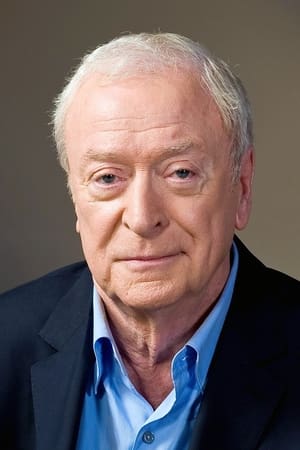
Michael Caine
ActingRotherhithe, London, England, UKSir Michael Caine, originally named Maurice Joseph Micklewhite Jr., is a prominent English actor whose influence on film spans over seven decades. With his unmistakable South London accent and a wealth of diverse roles, Caine has firmly established himself as a significant figure in British cinema. His extensive career, featuring more than 160 films, reflects his remarkable versatility and his talent for portraying complex characters.
Caine's acting journey began to gain traction in the 1960s, a pivotal decade that set the stage for his rise to fame. He first captured attention with powerful performances in notable British films. His leading roles in Zulu (1964) and The Ipcress File (1965) marked him as a fresh face in the industry. The film Alfie (1966) not only showcased his charismatic appeal but also earned him an Academy Award nomination, effectively announcing his presence on the international film scene. This era continued to highlight his talents with memorable performances in The Italian Job (1969) and Battle of Britain (1969), solidifying his status as a household name.
The 1970s further enriched Caine's career, during which he tackled roles that displayed his range as an actor. His portrayals in Get Carter (1971) and Sleuth (1972) illustrated his skill in navigating intricate narratives and darker themes. Caine's work in The Man Who Would Be King (1975) and A Bridge Too Far (1977) continued to showcase his knack for delivering powerful performances. His second nomination for an Academy Award, this time for Sleuth, reinforced his reputation for depth and nuance in his acting choices.
The 1980s proved to be another fruitful chapter in Caine's storied career. His performances in Educating Rita (1983) and Hannah and Her Sisters (1986) garnered him prestigious accolades, including a BAFTA and his first Academy Award for Best Supporting Actor. This decade highlighted his ability to balance serious roles with lighter, comedic ones, a hallmark of his career. Notably, his portrayal of Ebenezer Scrooge in The Muppet Christmas Carol (1992) and his comedic appearances in Dirty Rotten Scoundrels (1988) and Miss Congeniality (2000) further exemplified his range.
As the 21st century unfolded, Caine continued to leave his mark, seamlessly transitioning between serious and comedic roles. His performance in The Cider House Rules (1999) earned him a second Academy Award, while his role as Alfred Pennyworth in Christopher Nolan's The Dark Knight Trilogy (2005-2012) introduced him to a younger audience. His collaborations with Nolan, including acclaimed projects like Inception (2010) and Interstellar (2014), showcased his adaptability to modern cinematic storytelling.
Over the years, Caine has been honoured with numerous awards, including two Academy Awards, two BAFTA Awards, and several Golden Globes, highlighting his esteemed position within the industry. His work has not only entertained audiences but has also inspired countless aspiring actors and filmmakers.
With his retirement confirmed following his role in The Great Escaper (2023), Caine leaves behind a rich legacy filled with unforgettable performances and a significant impact on British cinema. His influence will undoubtedly resonate for generations, ensuring that his contributions to the world of film remain cherished.
Insomniacs Trivia
- Michael Caine's distinctive voice has made him a sought-after narrator for various documentaries and projects.
- He adopted the stage name 'Michael Caine' from the film The Caine Mutiny while working as a waiter.
- Caine served in the British Army during the Korean War before pursuing acting.
- He has appeared in films that have grossed over $7.8 billion worldwide, making him one of the highest-grossing actors in history.
- Despite his success, Caine is known for his humble beginnings and often speaks about his working-class roots.
Insomniacs Take
Michael Caine's contributions to film are profound and multifaceted, ranging from gritty dramas to light-hearted comedies. His ability to transition seamlessly between genres is a testament to his remarkable talent. As audiences bid farewell to this cinematic giant, they are left with a treasure trove of performances that will be cherished for years to come. Caine's legacy is not just in the roles he played but in the inspiration he provides to aspiring actors everywhere.
Gary Oldman
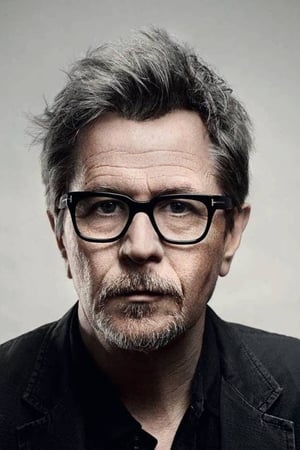
ActingLondon, England, UKGary Oldman stands out in the realm of acting as a chameleon, effortlessly transforming into a variety of characters over an illustrious career. Born on March 21, 1958, his fascination with performance began in his youth, leading him to the stage where he refined his craft. This foundation in theatre has played a crucial role in shaping Oldman's unique approach to acting.
Oldman’s entry into film came in 1982 with Remembrance, but it was his theatrical performances that truly established his reputation. His tenure with the Royal Shakespeare Company featured remarkable portrayals in classic plays such as Hamlet and Romeo and Juliet. These early experiences allowed him to develop an intense and versatile acting style, laying the groundwork for his future success on screen.
The mid-1980s marked a turning point in Oldman's career as he garnered attention with a series of powerful performances in British films. His portrayal of Sid Vicious in Sid and Nancy (1986) was nothing short of captivating, firmly positioning him as a rising star. This was followed by a notable performance as playwright Joe Orton in Prick Up Your Ears (1987) and as Rosencrantz in Rosencrantz & Guildenstern Are Dead (1990). These roles placed him among the 'Brit Pack', a group of actors who were redefining British cinema.
Oldman's remarkable ability to inhabit diverse characters became a hallmark of his career. His portrayal of a gang leader in the television film The Firm (1989) and a New York gangster in State of Grace (1990) showcased his depth and versatility. The role of Lee Harvey Oswald in JFK (1991) further solidified his reputation as an actor capable of tackling complex and challenging roles.
Among his most memorable performances is the titular role in Bram Stoker's Dracula (1992), where he deftly combined horror with dramatic flair. Known for his ability to portray multifaceted villains, Oldman excelled as Norman Stansfield in Léon: The Professional (1994) and as a corrupt politician in The Contender (2000). His complex portrayals of antagonists have made him a highly sought-after talent in Hollywood.
The 2000s saw Oldman embracing significant franchise roles, notably as Sirius Black in the beloved Harry Potter series and James Gordon in The Dark Knight Trilogy (2005-2012). These roles not only expanded his audience but also showcased his versatility across different genres. His performance as Dreyfus in Dawn of the Planet of the Apes (2014) exemplified his willingness to explore new and varied characters.
Oldman’s portrayal of Winston Churchill in Darkest Hour (2017) earned him an Academy Award for Best Actor, a recognition that underscored his artistic commitment. He received nominations for his performances in Tinker Tailor Soldier Spy (2011) and Mank (2020), further affirming his enduring presence in the film industry.
Beyond his acting prowess, Oldman has ventured into directing and producing. His directorial debut, Nil by Mouth (1997), which he also wrote, drew from his personal experiences and received critical acclaim. His contributions to film extend to television and voice work in video games, showcasing his multifaceted talent.
Gary Oldman’s influence on the film industry is profound, with each performance leaving a distinct mark. Often considered one of the most talented actors of his generation, his diverse body of work continues to inspire both audiences and aspiring actors, ensuring his legacy will endure.
Insomniacs Trivia
- Oldman was a member of the Royal Court Theatre before transitioning to film.
- He has collaborated with renowned directors such as Christopher Nolan and David Fincher.
- Oldman has portrayed a wide range of characters, from historical figures to fantastical creatures.
- His performance in Léon: The Professional is often cited as one of the best villainous roles in cinema history.
- In addition to acting, Oldman has directed films and worked as a screenwriter.
Insomniacs Take
Gary Oldman represents the quintessence of versatility in acting. His ability to embody characters across various genres is a testament to his skill and dedication to the craft. Whether playing a villain or a historical figure, Oldman’s performances are always compelling and layered, leaving audiences both mesmerised and introspective. His remarkable career is a celebration of talent that not only entertains but also challenges perceptions of storytelling in cinema.
Aaron Eckhart
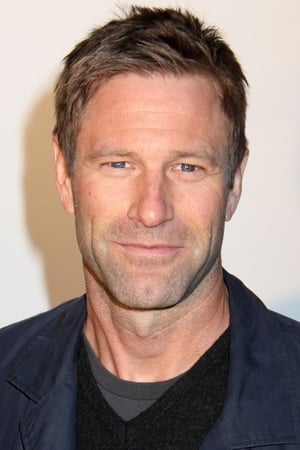
ActingCupertino, California, USAAaron Eckhart's journey into the realm of acting began in Cupertino, California, but it was his family's relocation to the United Kingdom that truly fanned the flames of his passion for performance. This move provided him with a vibrant backdrop to dive into theatre during his school years, where he eagerly took part in a myriad of productions. It was in this lively environment that Eckhart's enthusiasm for acting truly flourished.
After completing high school in Australia, Eckhart made a pivotal decision by forgoing the traditional graduation route. Instead, he pursued a focused education in the arts, ultimately earning a Bachelor of Fine Arts in film from Brigham Young University in 1994. This academic foundation equipped him with the skills necessary to navigate the competitive landscape of the entertainment industry.
The mid-1990s saw Eckhart making his way to New York City, where he confronted the challenges of a demanding acting scene. It was during this formative period that he crossed paths with director Neil LaBute, who would play a crucial role in shaping the trajectory of his early career. LaBute recognised Eckhart's distinctive talents and enlisted him for several of his original stage productions, which eventually led to Eckhart's film debut in the dark comedy In the Company of Men (1997). His portrayal of a charming yet sociopathic character marked a significant milestone in his ascent in Hollywood.
Following this striking introduction to film, Eckhart continued to work closely with LaBute, appearing in noteworthy films such as Your Friends & Neighbors (1998), Nurse Betty (2000), and Possession (2002). These performances not only refined his craft but also solidified his reputation as an actor capable of delivering multilayered and complex portrayals. His role as George in Steven Soderbergh's Erin Brockovich (2000) proved to be a turning point, garnering him wider recognition and allowing him to shine alongside more established names in the industry.
The year 2006 proved particularly noteworthy for Eckhart, as he secured a Golden Globe nomination for his work in Thank You for Smoking, a sharp satire of the tobacco industry. This accolade highlighted his emergence as a notable presence in the entertainment sector. The following year, he took on the role of District Attorney Harvey Dent in Christopher Nolan's acclaimed The Dark Knight (2008). This performance became a defining moment in his career, showcasing his ability to embody characters that are both heroic and deeply flawed.
Eckhart's versatility has been a defining characteristic of his career, effortlessly moving between genres. His filmography encompasses a rich variety of roles, including those in The Pledge (2001), The Core (2003), and Rabbit Hole (2010). Each of these performances highlights his nuanced understanding of human emotion and his ability to connect with audiences on a profound level. In more action-oriented films such as Battle: Los Angeles (2011) and Olympus Has Fallen (2013), Eckhart demonstrated his adaptability and commitment to diverse storytelling.
His body of work also features significant roles in films like Sully (2016), where he portrayed a pivotal figure in a gripping emergency landing, and Midway (2019), a historical drama that showcased his dedication to exploring various narrative forms. More recent projects, such as Line Of Duty (2019), further emphasise his commitment to complex character exploration and storytelling.
Over the years, Eckhart has garnered numerous accolades for his compelling performances and contributions to the film industry. His talent for portraying intricate characters and engaging audiences has left a lasting impact, inspiring a new generation of actors. As he continues to refine his craft, Aaron Eckhart remains a captivating presence in cinema, known for his thoughtful approach to both acting and storytelling.
Insomniacs Trivia
- Aaron Eckhart's family frequently relocated due to his father's job, enhancing his adaptability as an actor.
- His passion for acting was ignited by a high school drama teacher who inspired him to pursue it as a career.
- Eckhart is an advocate for environmental issues and has engaged in various initiatives to promote awareness.
- His collaboration with Neil LaBute has resulted in multiple successful projects, showcasing their strong creative bond.
- In addition to acting, Eckhart has explored producing, demonstrating his versatility in the film industry.
Insomniacs Take
Aaron Eckhart's ability to navigate between intense drama and light-hearted comedy reveals his remarkable skill as an actor. His performances resonate deeply with audiences, often leaving a lasting impression. With a career that spans a multitude of genres, Eckhart has consistently proven that he is not only a gifted performer but also a thoughtful storyteller. His work continues to inspire both fans and aspiring actors alike, marking him as an important figure in contemporary cinema.
