
Miles Caton
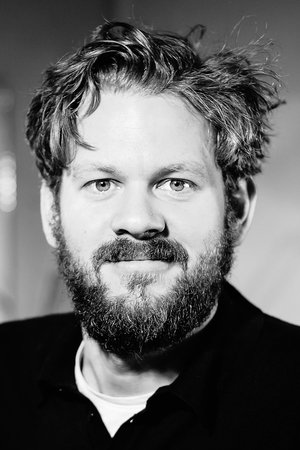
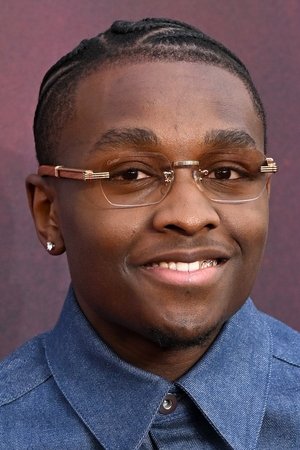
ActingBrooklyn, New York City, New York, USAMiles Caton (born March 3, 2005) is an American actor and musician. Caton is known for his role as Sammie in the 2025 horror film Sinners, for which he was nominated for the Critics' Choice Award for Best Young Performer.Description above from the Wikipedia article Miles Caton, licensed under CC-BY-SA, full list of contributors on Wikipedia.
Yao
ActingYao – whose real name is Thomas Pang – is a Malaysian actor of Chinese and Filipino descent. He is a 2015 graduate of the Lasalle College of the Arts who was prominent in Singapore’s theatre and film scene, earning three Best Actor nominations in The Straits Times Life Theatre Awards, and winning it in 2018 for his performance in Hand To God by Singapore Repertory Theatre. Yao remained in the United States after obtaining a Master of Fine Arts degree in 2023 from the David Geffen School of Drama at Yale University in Connecticut, not far from his current home in New York. He is best known for his role as Bo Chow in the 2025 movie Sinners, directed by Ryan Coogler.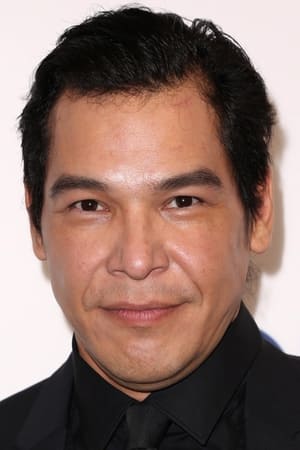
Nathaniel Arcand
ActingEdmonton, Alberta, CanadaNathaniel Arcand (born November 13, 1971) is a Canadian actor and is Nēhilawē (Plains Cree), from the Alexander First Nation Reserve.His first major role was as troubled teen William MacNeil for 3 seasons in the Canadian drama series North of 60. In 1997, he was nominated for a Gemini Award in the category "Best Performance by an Actor in a Featured Supporting Role in a Dramatic Series" for the North of 60 episode "Traces and Tracks."He had a major role as Clinton Skye in the CBS crime drama FBI: Most Wanted, and one of his longest running roles is that of Scott Cardinal on the CBC series Heartland. He has also appeared on Murdoch Mysteries, Smallville, Longmire, Bull, Supernatural, and Into the West, to name a few.He portrays Victor Merasty on Blackstone, "an unmuted exploration of First Nations’ power and politics" set in a small Plains Cree community. He also portrays Nathan in the comedic drama Two Indians Talking, which won the 2010 Vancouver International Film Festival Most Popular Canadian Film Award. He appeared in Cold Pursuit with Liam Neeson, as well as many other films.
John Diehl
ActingCincinnati, Ohio, USAJohn Diehl's career spans several decades, marked by a remarkable ability to inhabit a diverse array of characters across both film and television. Born in Cincinnati, Ohio, he graduated from St. Xavier High School in 1968, and his early interest in performance led him to explore various artistic avenues. Before fully committing to acting, Diehl briefly considered a career in professional boxing, showcasing his multifaceted talents.
Diehl made his mark in the entertainment industry with a series of standout performances that showcased his versatility as a character actor. His role as Charles Kawalsky in the 1994 science fiction film Stargate earned him significant recognition, while his portrayal of Det. Larry Zito on the iconic 1980s television series Miami Vice solidified his status as a familiar face in homes across America. The show's blend of style and substance allowed Diehl to shine as a no-nonsense detective, perfectly complementing the series' high-energy narrative.
His acting style is characterized by a naturalism that brings authenticity to every role he embraces. Whether portraying a tough cop or a conflicted character, Diehl's performances resonate with audiences due to their emotional depth and sincerity. His ability to embody various personas has led to numerous memorable roles that cemented his reputation in the industry.
In addition to his work on Miami Vice, Diehl appeared in the critically acclaimed series The Shield, where he took on the role of Assistant Chief Ben Gilroy, showcasing his range and ability to tackle complex characters. His performance contributed to the show’s exploration of moral ambiguity in law enforcement, furthering his influence in the world of television drama.
Diehl's film career is equally impressive, with notable roles in several major productions. He played Pvt. Bucklin in the epic Civil War film Gettysburg, a performance that highlighted his knack for historical characters. His role as G. Gordon Liddy in Oliver Stone's Nixon added a layer of gravitas to the biographical portrayal of the controversial figure, demonstrating Diehl's skill in navigating politically charged narratives.
Another significant role came in A Time to Kill, where he portrayed a Klansman informant, further establishing his ability to take on challenging and often provocative characters. His work in blockbuster films like Jurassic Park III and comedies such as Stripes only add to his diverse filmography, making him a recognizable talent in a variety of genres.
Throughout his career, Diehl has received accolades for his performances, though he often shies away from the limelight, preferring to let his work speak for itself. His dedication to his craft has inspired many up-and-coming actors who look to him as a model of professionalism and commitment.
As a seasoned character actor, Diehl has left an indelible mark on the industry, influencing the way supporting roles are perceived and appreciated. His ability to bring depth to characters that might otherwise fade into the background has made him a vital part of the stories he tells. The legacy of John Diehl is one of hard work, talent, and a passion for storytelling that continues to resonate with audiences and fellow actors alike.
Insomniacs Trivia
- John Diehl has over 150 credits to his name in film and television.
- He briefly pursued a career in professional boxing before fully committing to acting.
- Diehl appeared in a series of commercials for Buick, where he portrayed the spirit of Harley Earl.
- He has played significant roles in both historical dramas and comedic films, showcasing his range.
- Diehl's performance in Miami Vice helped define the aesthetic and tone of 1980s crime dramas.
Insomniacs Take
Diehl’s ability to blend into various roles while leaving a memorable impression is a testament to his skill as a character actor. His versatility not only enriches the projects he’s involved in but also serves as a reminder of the importance of supporting performances in storytelling. In an era where lead roles often dominate the spotlight, Diehl’s contributions highlight the backbone of many beloved films and shows, proving that every character, no matter how small, has a story worth telling.
Will Patton
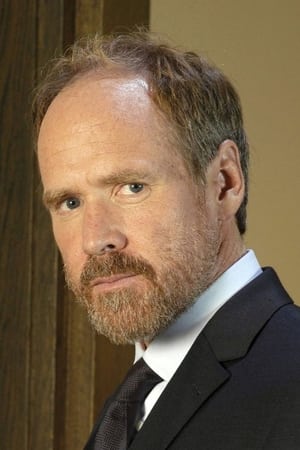
ActingCharleston, South Carolina, USAWill Patton, an accomplished American actor, has carved out a distinctive place for himself in the realms of film and television. Born in 1954 in Charleston, South Carolina, he cultivated an interest in the performing arts from a young age. His early career saw him honing his craft on stage, where he developed a deep appreciation for storytelling and character work. This foundation would serve him well as he transitioned into film and television, showcasing a versatility that would captivate audiences.
Patton's breakthrough came during the late 1980s, when he began to gain recognition for his compelling performances. He made his mark with a memorable role in the political thriller No Way Out, where he shared the screen with Kevin Costner. This partnership would extend to another notable project, The Postman, further solidifying his presence in Hollywood. His ability to embody complex characters has made him a sought-after actor for various genres, from drama to science fiction.
One of Patton's most significant roles was as Colonel Dan Weaver in the TNT series Falling Skies, which explored themes of survival in a post-apocalyptic world. His portrayal of the strong yet vulnerable leader resonated with audiences, showcasing his knack for bringing depth to his characters. This role not only showcased his range but also demonstrated his ability to anchor a series with his commanding presence.
Throughout his career, Patton has appeared in numerous films that have left a lasting impact. His performances in Remember the Titans and Armageddon displayed his talent for balancing intensity with vulnerability, earning him praise from critics and audiences alike. In these films, he often plays characters who are faced with moral dilemmas, allowing him to explore the human condition in a way that is both relatable and poignant.
Patton's work on stage has not gone unnoticed, as he has been honored with two Obie Awards for his performances in Sam Shepard's Fool for Love and the Public Theater's What Did He See?. These accolades reflect his dedication to the craft and his ability to leave a lasting impression on both theatergoers and critics.
His influence on the industry extends beyond his acting roles. Patton's commitment to his craft and his ability to immerse himself in diverse characters have inspired many aspiring actors. He has become a respected figure in the entertainment industry, known for his authenticity and dedication to storytelling.
As Patton’s career continued to evolve, he remained a relevant figure in both film and television. His ability to navigate complex narratives and portray multifaceted characters has allowed him to stay connected with audiences across generations. With a rich body of work, he leaves behind a legacy that highlights the importance of dedication and passion in the pursuit of artistic excellence.
Insomniacs Trivia
- Will Patton has also lent his voice to audiobooks, showcasing his talent in a different medium.
- He starred alongside Nicolas Cage in the action film Gone in 60 Seconds, further expanding his repertoire in the action genre.
- Patton’s roots in acting stem from his time in the theatre, where he developed a strong foundation in performance arts.
- He is known for his intense preparation for roles, often immersing himself in research to accurately portray his characters.
- In addition to acting, Patton has a keen interest in directing and has explored this aspect of filmmaking throughout his career.
Insomniacs Take
Will Patton's performances have a remarkable ability to resonate deeply with viewers, often revealing the complexities of his characters. His work in both film and television highlights a seasoned actor who is unafraid to tackle challenging roles. With a career that spans decades, Patton has proven himself as a versatile talent capable of bringing authenticity to every role he undertakes. His contributions to the industry are a testament to the power of storytelling and the impact of dedicated artistry.