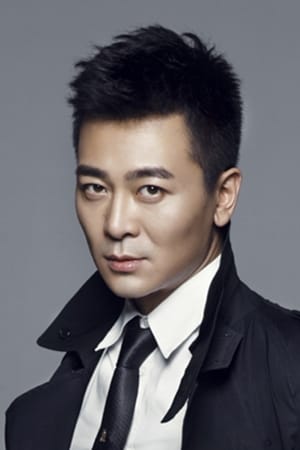

Mike Tyson
ActingBrownsville, Brooklyn, New York City, New York, USAMike Tyson’s life has been anything but ordinary. Born on June 30, 1966, in Brooklyn, New York, he faced significant challenges during his formative years. Growing up in a rough neighbourhood, Tyson often found himself in trouble and was eventually introduced to the sport of boxing as a way to channel his aggression. Under the guidance of famed trainer Cus D'Amato, Tyson honed his skills and transformed into a formidable force in the ring.
Tyson made his professional debut in 1985, quickly rising through the ranks with a series of stunning victories. His explosive style, combined with an unparalleled ferocity, made him a fearsome opponent. Just a few years into his career, he became the undisputed world heavyweight champion, achieving this remarkable feat at the astonishing age of 20. His combination of speed, power, and technique captivated audiences and brought a new level of excitement to the sport.
Throughout the late 1980s, Tyson dominated the boxing world, earning a reputation as one of the most feared fighters of all time. His ability to knock out opponents with devastating precision made him a household name. Notable victories during this period include his fights against Trevor Berbick, Frank Bruno, and Larry Holmes. Tyson's presence in the ring was electrifying, and he quickly became a symbol of raw talent and determination.
However, Tyson's career was not without its challenges. Personal struggles and legal issues began to overshadow his achievements in the ring. A highly publicised conviction in the early 1990s led to his imprisonment, which dramatically altered the trajectory of his boxing career. Despite these setbacks, Tyson returned to the ring in 1995 and continued to compete until his retirement in 2005, albeit with mixed results.
Tyson's acting career may not have been the primary focus of his life, but he has made notable appearances in various films and television shows. His charisma and larger-than-life persona have allowed him to transition into entertainment successfully. His cameo in the film "The Hangover" introduced him to a new generation, showcasing his comedic side and willingness to embrace his past.
Throughout his life, Tyson has received numerous accolades for his contributions to boxing, including induction into the International Boxing Hall of Fame. His influence on the sport is undeniable, with many aspiring boxers citing him as an inspiration. Tyson's legacy extends beyond his championship titles, as he has become a cultural icon, representing both the highs and lows of athletic fame.
In recent years, Tyson has embarked on a journey of personal growth and redemption. He has opened up about his struggles and has become an advocate for mental health awareness. His candidness about his life experiences has resonated with many, further solidifying his status as a complex and relatable figure.
Mike Tyson's story is one of triumph, turmoil, and transformation. His impact on boxing and popular culture remains significant, and his journey serves as a reminder of the resilience of the human spirit.
Insomniacs Trivia
- Tyson was the youngest boxer ever to win a heavyweight championship title.
- He trained under the legendary Cus D'Amato from a young age.
- Tyson has appeared in several films, including "The Hangover" and its sequel.
- He has been involved in various charitable efforts, focusing on youth and education.
- Tyson has a passion for pigeons and has been known to raise them as a hobby.
Insomniacs Take
Mike Tyson’s life journey is a compelling narrative of highs and lows that transcends the boxing ring. His evolution from a troubled youth to a heavyweight champion and pop culture figure illustrates the complexities of fame. Tyson's candidness about his struggles adds depth to his legacy, making him not just a sports icon but also a relatable human being. His ability to reinvent himself post-boxing, including his forays into entertainment and advocacy, showcases his resilience and adaptability in the face of adversity.

Karena Ng Chin-Yu
ActingHangzhou, Zhejiang, ChinaKarena Ng (born Wu Qian Yu, 吳千語) is an actress and model from Hong Kong.She started off in 2010 in an advertisement for Tempo tissue paper, and started her acting career in 2011 in the Hong Kong comedy Magic to Win directed by Wilson Yip. She was nominated for the Best New Performer award in the 31st Hong Kong Film Awards. More recently, she acted in Ip Man 3 as a single teacher Miss Wong.From Wikipedia, the free encyclopedia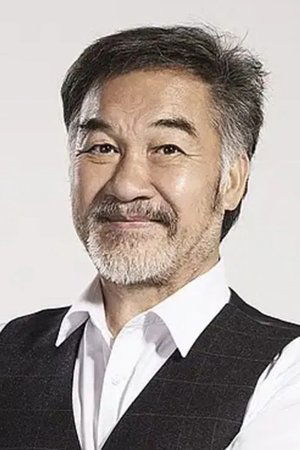
Bryan Leung Kar-Yan
ActingHong Kong, British Crown Colony [now China]Bryan Leung Kar-Yan (Chinese: 梁家仁 , born 20 January 1949) is a Hong Kong film and television actor and film director who has played roles in numerous acclaimed martial arts films. He joined Shaw Brothers in 1974 and soon met up with Sammo Hung and the two of them hit it off. Sammo has described Leung as a phenomenon – Sammo could show him any style of kung fu or any intricate choreography and Leung could learn it immediately. In the 70’s and early 80’s Leung was to appear in some terrific kung fu.Like so many other kung fu fighters, once the popularity of those films faded in the mid 80’s he had to switch career gears and become more of a character actor. He had a reasonably successful career though through to the middle of the 1990’s.... credits to the author at hkcinemagic.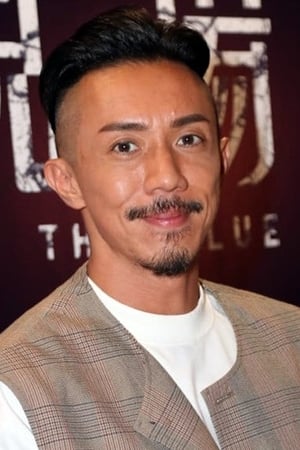
Louis Cheung
ActingHong Kong, British Crown Colony [now China]Louis Cheung Kai-Chung (Chinese: 張繼聰, born 11 January 1980) is a Hong Kong Cantopop recording-artist, songwriter, and actor. He is an alumnus of The Hong Kong Academy for Performing Arts, majoring in acting. His first play was in 1997, and he has performed in a total of more than 20 stage plays, including the classic "A Streetcar Named Desire", as the main character, Stanley Kowalnski.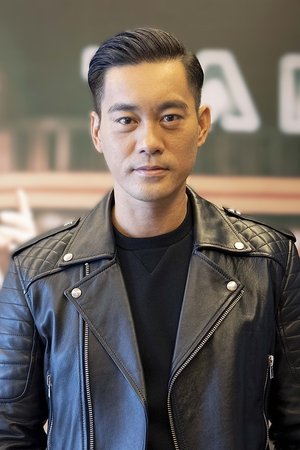
Danny Chan Kwok-Kwan
ActingHong Kong, British Crown ColonyDanny Chan Kwok-Kwan is a Hong Kong actor whose talent in martial arts and charisma on screen have made a significant impact in the film industry. Born on August 1, 1975, he grew up in a culturally rich environment that influenced his passion for performance and the martial arts from a young age. With a background steeped in the traditions of Hong Kong cinema, Chan quickly became a familiar face in action-packed films.
Chan's early career saw him diving into various roles that showcased his martial arts skills. His dedication and training paid off when he landed roles in films that would define his trajectory in the industry. His breakthrough came with the film Shaolin Soccer in 2001, directed by Stephen Chow, where Chan displayed a blend of physical prowess and comedic timing, earning him recognition as an emerging star.
Following his successful debut, Chan continued to hone his craft, taking on diverse characters in notable films. He showcased his versatility in Kung Fu Hustle (2004), another Stephen Chow masterpiece, where his performance contributed to the film's unique blend of action and humour. These roles solidified his status as a reliable actor in Hong Kong cinema, capable of captivating audiences with both his martial arts abilities and acting skills.
In 2015, Chan appeared in Ip Man 3, a film that further accentuated his reputation within the martial arts genre. His portrayal in this acclaimed series not only highlighted his fighting capabilities but also his capacity to bring depth to his characters, solidifying his standing as a respected actor among peers and audiences alike.
Chan's acting style is characterized by a perfect balance of intensity and grace. He has a natural ability to convey emotion through physicality, making his performances in fight scenes particularly engaging. This skill has set him apart in a genre often dominated by more conventional portrayals, allowing him to create memorable moments that resonate with fans.
Throughout his career, Chan has received various accolades for his contributions to film, reflecting his impactful performances and the admiration he garnered from both critics and audiences. His work continues to inspire a new generation of martial artists and actors in the industry, demonstrating that dedication to the craft can lead to remarkable success.
As an influential figure in Hong Kong cinema, Danny Chan Kwok-Kwan has left a lasting legacy that goes beyond his on-screen performances. He embodies the spirit of perseverance and creativity, encouraging aspiring actors to pursue their dreams while embracing their unique talents. The depth and authenticity he brings to his roles serve as a reminder of the importance of storytelling in film.
Insomniacs Trivia
- Danny Chan began training in martial arts at a young age, which laid the foundation for his future acting career.
- He has worked extensively with director Stephen Chow, contributing to several successful films together.
- Chan's role in Kung Fu Hustle has been praised for its comedic elements, showcasing his range as an actor.
- He is also known for his work in television, where he has appeared in various popular series.
- In addition to acting, Chan has a keen interest in choreography, often contributing to fight scenes in his films.
Insomniacs Take
Danny Chan Kwok-Kwan's performances are a refreshing reminder of the artistry involved in martial arts cinema. His ability to blend humour with action creates a unique viewing experience that resonates with audiences. Chan's dedication to his craft and his collaborations with visionary directors have not only enriched his career but also contributed significantly to the landscape of Hong Kong cinema. As he continues to evolve as an actor, fans eagerly await his future projects, knowing they will likely be treated to more engaging performances.