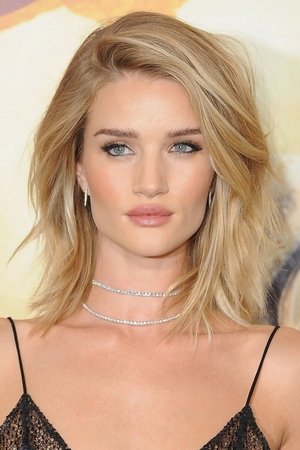
Rosie Huntington-Whiteley
ActingPlymouth, Devon, England, UKRosie Alice Huntington-Whiteley was born 18 April 1987 in Plymouth, Devon, England (Freedom Fields Hospital), and grew up on her parents' country farm. She attended Tavistock College and has been modeling since 2003 for a variety of clothiers: Abercrombie & Fitch, Burberry, Bloomingdale's, Ralph Lauren, DKNY. She started modeling for Victoria's Secret in 2006 and was officially named one of the lingerie company's "Angels" in November 2009, at the age of 22. Her mother, Fiona, is a fitness instructor, and her father, Charles Huntington-Whiteley, is a chartered surveyor. Rosie has two younger siblings, Toby and Florence. Her great-great-grandfather was politician Sir Herbert Huntington-Whiteley, 1st Baronet.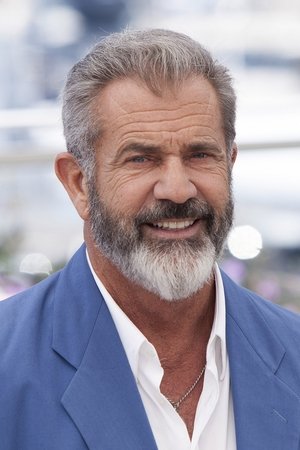
Mel Gibson
ActingPeekskill, New York, USAMel Gibson, a prominent figure in the film world, is celebrated for his diverse skills as an actor, director, producer, and screenwriter. Originally hailing from Peekskill, New York, Gibson's life took a pivotal turn at the age of twelve when his family moved to Sydney, Australia. It was in this new environment that he unearthed his passion for acting, ultimately honing his craft at the esteemed Australian National Institute of Dramatic Art.
Gibson first garnered significant attention through his role in the revolutionary action film series "Mad Max," which captivated audiences with its raw storytelling and adrenaline-fueled action. His portrayal of Max Rockatansky quickly established him as a leading man, paving his way into Hollywood.
However, it was the "Lethal Weapon" franchise that truly cemented Gibson's reputation as an action star. Teaming up with Danny Glover, he brought to life the character of Martin Riggs, whose reckless charm and sharp humour struck a chord with fans. The series became a massive success, showcasing not only Gibson's physical abilities but also his knack for delivering comedic elements amidst intense drama.
In the mid-1990s, Gibson made a daring transition into directing, a move that would shape a significant portion of his career. His inaugural directorial effort, "The Man Without a Face," was followed by the epic historical drama "Braveheart." This ambitious project earned him critical acclaim and numerous awards, including two Academy Awards. The film's sweeping narrative and emotional weight highlighted Gibson's talents behind the camera as well as in front of it, as he starred as the lead, William Wallace.
Gibson's exploration of directing continued with the polarising yet commercially successful "The Passion of the Christ," which offered an intense depiction of the final hours of Jesus Christ. Despite sparking heated debates due to its graphic nature, the film achieved remarkable box office success, further solidifying Gibson's status as a director of considerable influence.
Over the years, Gibson's acting style has evolved, demonstrating a readiness to embrace complex and often darker roles. His performances frequently reveal a profound emotional depth, enabling audiences to connect with his characters on a deep level. This ability to convey vulnerability alongside strength has become a defining characteristic of his career.
While personal and professional controversies have occasionally cast a shadow over his accomplishments, Gibson's contributions to cinema remain indisputable. His films have not only entertained but also prompted reflection and dialogue, leaving a lasting impression on the industry. With a prolific body of work that spans decades, Gibson continues to engage viewers, both as an actor and a filmmaker.
Regarding accolades, Gibson has received a myriad of awards throughout his career, including Golden Globe Awards and an Academy Award, which affirm his standing among the film industry's elite. His influence reaches beyond his own projects, inspiring a new generation of filmmakers and actors who admire his fearless storytelling approach.
As Gibson's career unfolds, his legacy presents a multifaceted tapestry of artistic accomplishments and personal challenges. Nevertheless, it is evident that he has made a significant impact on the film industry, with a remarkable body of work that resonates with audiences around the globe.
Insomniacs Trivia
- Mel Gibson's first major film role was in the Australian film "Summer City" in 1977.
- He was initially cast in the role of Mad Max after being discovered during auditions for a different film.
- Gibson's directorial work on "Braveheart" involved extensive research into Scottish history and culture.
- He earned a star on the Hollywood Walk of Fame in 2003, reflecting his impact on the film industry.
- Gibson is known for his philanthropic efforts, particularly supporting various charities in Australia and the United States.
Insomniacs Take
Mel Gibson's career has been a rollercoaster ride of highs and lows, showcasing his undeniable talent while navigating the complexities of public scrutiny. His ability to shift seamlessly between acting and directing speaks to his versatility and commitment to storytelling. Whether through heart-wrenching dramas or high-octane action films, Gibson's work continues to spark conversation and captivate audiences, ensuring his place in the annals of cinematic history.
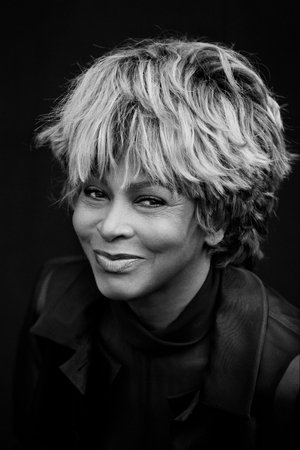
Tina Turner
ActingNutbush, Tennessee, USATina Turner (November 26, 1939 - May 24, 2023) was an American singer and actress whose career spanned more than 50 years. Known for her energetic stage presence, powerful vocals, career longevity, and widespread appeal, Turner has been called the most successful female rock artist, “The Queen of Rock ‘n’ Roll,” and was named "one of the greatest singers of all time" by Rolling Stone. Her combined album and single sales total approximately 180 million copies worldwide, and over the course of her career she sold more concert tickets than any other solo music performer in history. Turner started out her music career with husband Ike Turner as a member of the Ike & Tina Turner Revue. Success followed with a string of hits including "River Deep, Mountain High" and the 1971 hit "Proud Mary". With the publication of her autobiography I, Tina (1986), Turner revealed severe instances of spousal abuse against her by Ike Turner prior to their 1976 split and subsequent 1978 divorce. After virtually disappearing from the music scene for several years following her divorce from Ike Turner, she rebuilt her career, launching a string of hits beginning in 1983 with the single "Let's Stay Together" and the 1984 release of her fifth solo album Private Dancer. In addition to her musical career, she occasionally ventured into film, beginning with a prominent role as The Acid Queen in the 1975 film Tommy, and an appearance in Sgt. Pepper's Lonely Hearts Club Band. She starred opposite Mel Gibson as Aunty Entity in Mad Max Beyond Thunderdome for which she received the NAACP Image Award for Outstanding Actress in a Motion Picture, and her version of the film's theme, "We Don't Need Another Hero", was a hit single.
Helen Buday
ActingMelbourne, Victoria, AustraliaHelen Buday (born 1962) is an Australian actress and singer. She appeared her role as "Savannah Nix" in her debut film Mad Max Beyond Thunderdome (1985). She was awarded Best Actress at the 48th Valladolid International Film Festival in 2003 for her role in Alexandra's Project.
Bruce Spence
ActingAuckland, North Island, New ZealandBruce Spence is a name that resonates strongly within the realms of film and television, particularly within the Australian entertainment landscape. With a career spanning several decades, this New Zealand-born actor has captivated audiences both in his homeland and abroad. Spence's distinctive voice and unique screen presence have made him a sought-after performer in a variety of genres, showcasing his versatility as an actor.
Embarking on his career in the 1960s, Spence made his mark in the Australian theatre scene before transitioning to film and television. His early work included roles in theatrical productions and television dramas, where he quickly gained recognition for his talent and charisma. His dedication to the craft was evident as he honed his skills, ultimately paving the way for more prominent roles.
Spence's breakthrough performance came with the iconic role of the Gyro Captain in George Miller's post-apocalyptic classic, "Mad Max 2: The Road Warrior." This performance not only established him as a formidable talent in the industry but also endeared him to fans of the franchise. His portrayal was notable for its blend of humour and depth, showcasing a character that was both quirky and resourceful.
Following this success, Spence continued to expand his repertoire, appearing in a range of films that highlighted his ability to adapt to various roles. His performance in "The Last Wave" alongside Richard Chamberlain further solidified his status as a prominent figure in Australian cinema. Spence's work in both film and television often reflects a keen understanding of character dynamics and storytelling, making him a valuable asset to any production.
Throughout his career, he has collaborated with some of the industry's most respected directors and actors, contributing to a diverse body of work that spans different genres. In addition to his memorable role in the