
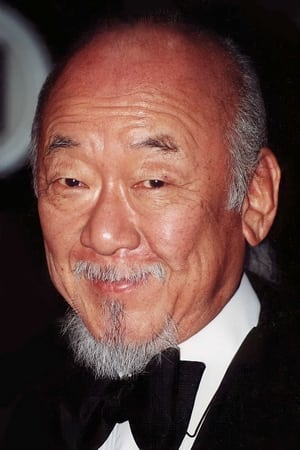
Pat Morita
ActingIsleton, California, USANoriyuki 'Pat' Morita's story is one of resilience and creativity, emerging from a modest background to become a cherished figure in American entertainment. Born in California, his early life was marked by challenges, including a lengthy battle with tuberculosis, which confined him to a sanatorium for a considerable part of his youth. This struggle, rather than deterring him, ignited his passion for performance and led him to venture into the world of acting.
Morita began his career in the realm of stand-up comedy, where he refined his comedic skills and found his voice in front of live audiences. His talent soon caught the eye of television producers, resulting in guest appearances on various shows. A pivotal moment in his career came with his portrayal of Matsuo 'Arnold' Takahashi on the classic sitcom Happy Days. This role, as the warm-hearted diner owner, showcased Morita's unique ability to blend humour with genuine emotion, ultimately making him a household name.
However, it was his iconic role as Mr. Miyagi in The Karate Kid series that truly defined Morita's cinematic legacy. The character, a wise mentor skilled in martial arts, resonated deeply with audiences and demonstrated Morita's versatility as an actor. His performance earned him an Academy Award nomination for Best Supporting Actor in 1984, solidifying his reputation as a talented performer committed to his craft.
Morita's approach to acting was characterised by a remarkable combination of sincerity, subtlety, and humour. He had a gift for conveying profound emotions, which allowed him to transition smoothly between comedic and dramatic roles. This versatility garnered him respect from both peers and audiences alike, making him a beloved figure in the industry.
Throughout his extensive career, Morita appeared in a variety of films and television shows, reprising his role as Mr. Miyagi in several sequels to The Karate Kid. His continued presence in these films reinforced his status as a cultural touchstone. Additionally, his voice work in animated projects showcased his adaptability and helped him reach new generations of fans.
Beyond his notable on-screen achievements, Morita played a significant role in enhancing the representation of Asian Americans in Hollywood. He challenged stereotypes and opened avenues for future generations of actors of Asian descent, contributing to a richer tapestry of storytelling in film and television. His influence can be seen in the careers of many who followed, inspired by his determination and ability to overcome the industry's limitations regarding their heritage.
Morita's legacy remains vibrant long after his passing in 2005. His contributions to cinema and television reflect the power of perseverance, creativity, and the critical need for diverse representation in the arts. Through his performances, he not only entertained but also educated, leaving a lasting impression on the entertainment landscape.
Insomniacs Trivia
- Before acting, Morita served in the U.S. Army and worked as a comedian in various nightclubs.
- His character Mr. Miyagi was inspired by a real-life martial arts instructor.
- Morita's voice work included the character of Tonto in the animated series The Lone Ranger.
- He appeared in the sitcom Sanford and Son as a recurring character, showcasing his comedic talents.
- Morita was also a skilled musician and had a passion for playing the guitar.
Insomniacs Take
Pat Morita’s impact on film and television extends beyond his memorable roles; he challenged industry norms and brought depth to characters often overlooked. His performances, particularly as Mr. Miyagi, offered profound life lessons wrapped in warmth and humour, resonating with audiences across generations. Morita's legacy serves as a reminder of the importance of diverse voices in storytelling, making his contributions to the entertainment world truly invaluable.
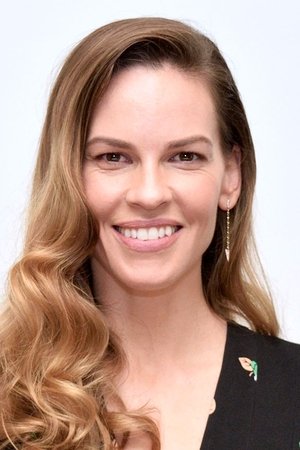
Hilary Swank
ActingLincoln, Nebraska, USAHilary Ann Swank (born July 30, 1974) is an American actress and film producer. She first became known in 1992 for her role on the television series Camp Wilder and made her film debut with a minor role in Buffy the Vampire Slayer (1992). She then had her breakthrough for starring as Julie Pierce in The Next Karate Kid (1994), the fourth installment of The Karate Kid franchise, and as Carly Reynolds on the eighth season of Beverly Hills, 90210 (1997–1998).Swank came to international recognition for her performances as Brandon Teena, a transgender man, in Kimberly Peirce's Boys Don't Cry (1999), and as Maggie Fitzgerald, an aspiring boxer, in Clint Eastwood's Million Dollar Baby (2004). Both of her performances earned her critical acclaim, and she earned numerous accolades, including two Academy Awards, two Golden Globe Awards, two Critics' Choice Movie Awards and a Screen Actors Guild Award. She was named by Time magazine as one of the 100 most influential people in the world in 2005.Swank later ventured into producing with the films Amelia (2009), Conviction (2010), You're Not You (2014), and What They Had (2018), all of which she also starred in. Her other notable films include the television film Iron Jawed Angels (2004), and the feature films Freedom Writers (2007), Logan Lucky (2017), The Hunt (2020), and Fatale (2020).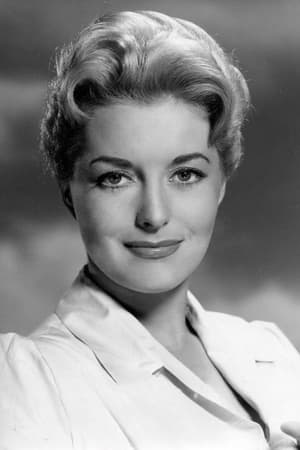
Constance Towers
ActingWhitefish, Montana, USAConstance Mary Towers (born May 20, 1933) is an American actress and singer.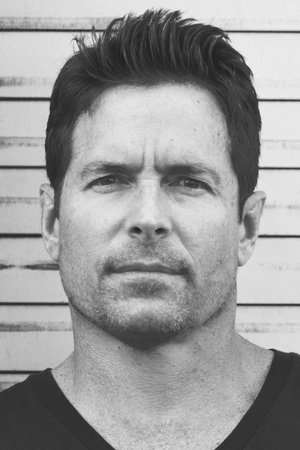
Chris Conrad
ActingFort Lauderdale, Florida, USAChris Conrad was born and raised in Ft. Lauderdale, Florida. He is the third out of four brothers - big brother Steve is a script writer, big brother Tim, baby brother Mike.Always going for the sports, amongst others football, baseball, basketball, soccer, and judo.Started performing in grade school, being the joker. Improvised a comedy skit in high school, which he followed by enrolling in Florida's Funniest Man competition during his sophomore year with his brother Mike - they won - $500 and a trip to New York City to open at the Improv.After graduating high school, enrolled with Florida State University where his two older brothers, Tim and Steve, were also students. Signed up for an acting class during the freshman year, but was quickly turned off by the serious academic tone of the course and dropped out. His acting teacher persuaded him into returning to the acting profession.Worked the campus radio while in college, a job he got through his borther Tim, who was the sports broadcaster. The job gave Chris another excellent outlet for his comedy.Following his sophomore year, Chris moved to Chicago, where his brother Steve had moved to study at the Northwestern University, majoring in creative writing. Chris spent a year studying at the Piven Theatre Workshop then signed with an agent and landed his first acting role in the television movie, Mario and the Mob.Later, he moved to Hollywood with Steve, who tried to sell his script Wrestling Ernest Hemingway. The screenplay became a very successful movie, and Chris himself started getting more jobs in the movies as well.He started out with an episode of Raven and then in a small film called Star Food. He's also starring in an improv group with a friend, The Stick Men, in Los Angeles.Kickboxing and wrestling since high school, Chris Conrad also trains "Machado Jiu-Jitsu", a Brazilian form of Jujitsu.
Arsenio Trinidad
ActingArsenio Trinidad, often affectionately known as Sonny, embarked on a remarkable journey in the entertainment industry that spanned several decades. Born on October 29, 1911, Trinidad's early years were marked by a passion for performing that would later shape his career. With a background that reflected his diverse heritage, he brought a unique flair to his roles, captivating audiences with his charm and charisma.
Trinidad's acting career took off in the mid-1980s, where he began to carve a niche for himself in film. His breakout role came in 1986 with The Karate Kid Part II, where he showcased his ability to bring depth to characters, all while engaging audiences in a way that felt both genuine and relatable. This role marked a significant turn in his career, opening doors to a variety of projects that would follow.
Throughout the years, Trinidad continued to demonstrate his versatility as an actor, taking on diverse roles that showcased his range. One notable performance was in Darkman (1990), where he contributed to the film's unique blend of action and drama, solidifying his position within the industry. His involvement in such projects illustrated his commitment to his craft and his ability to adapt to various genres.
Another landmark moment came in 1995 with his appearance in Ace Ventura: When Nature Calls. This film not only highlighted Trinidad's comedic timing but also placed him alongside one of the most popular comedic actors of the time. His performance resonated with audiences, adding a memorable layer to the film's already eclectic cast.
Trinidad's acting style was characterized by its authenticity; he possessed a natural ability to portray characters that felt grounded and relatable. His performances were often infused with a sense of warmth and humor, making him a beloved figure in the films he graced. His talent did not go unnoticed, and he garnered recognition for his contributions to cinema over the years.
As Trinidad's career progressed, he left an indelible mark on the industry. His roles often broke stereotypes, providing a more nuanced representation of diverse characters at a time when the industry was beginning to shift towards greater inclusivity. This influence is felt even today, as actors continue to draw inspiration from his work, striving to create more authentic portrayals on screen.
Even after his passing on September 29, 2003, Trinidad’s legacy remains prominent in the hearts of fans and within the industry. His body of work serves as a reminder of the importance of representation and the impact of storytelling. His contributions have paved the way for future generations of actors, ensuring that his spirit lives on in the vibrant world of film and television.
Insomniacs Trivia
- Arsenio Trinidad was born in 1911 and had a career that spanned over five decades.
- He was known for his unique ability to blend comedy with drama in his performances.
- Trinidad often played characters that reflected his cultural background, promoting diversity in Hollywood.
- His role in The Karate Kid Part II involved a memorable scene in a traditional Japanese setting.
- Despite his success in film, Trinidad also had a passion for theatre, performing in various stage productions throughout his career.
Insomniacs Take
Arsenio Trinidad's contributions to cinema are often overshadowed by more prominent stars, yet his performances in films like Ace Ventura: When Nature Calls and The Karate Kid Part II remind audiences of his talent and versatility. Trinidad's ability to embody warmth and humor in his characters left a lasting impression, highlighting the importance of representation in film. His legacy continues to inspire actors and filmmakers committed to telling diverse stories, ensuring that his influence resonates throughout the industry.
