

Manami Numakura
ActingHiratsuka, Kanagawa, JapanManami Numakura (沼倉 愛美, Numakura Manami, April 15, 1988) is a Japanese voice actress and singer from Yokohama City, Kanagawa Prefecture. She is affiliated with Arts Vision. Her best-known role is in The Idolmaster video game franchise where she voices Hibiki Ganaha from the rival group known as Project Fairy. Other major roles include Riko in Love Lab, Takao in Arpeggio of Blue Steel, Machi Tokiwa in Hanayamata and Saya Endō in Dagashi Kashi. She made her solo music debut in 2016, performing the opening theme to the anime series Magical Girl Raising Project. From 2013 to 2016, she was a member of the voice acting unit Trident.
Gen Sato
ActingKanagawa, JapanGen Sato (佐藤 元, Satō Gen, born March 22, 1997) is a Japanese voice actor (seiyuu) from Kanagawa Prefecture. He belongs to I'm Enterprise.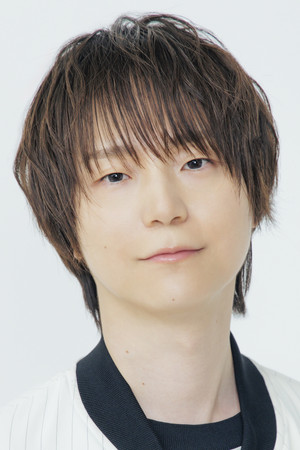
Kengo Kawanishi
ActingOsaka, JapanKengo Kawanishi (河西 健吾, Kawanishi Kengo, February 18, 1985) is a Japanese male voice actor. He was born in Osaka and his blood type is A. He was formerly affiliated with Office Kaoru, but is now affliated with Mause Promotion.He debuted as a voice actor in 2006. In June 2010, he dubbed Sterling Knight for the first time as Christopher in "Starstruck", and in October 2015, he starred for the first time in the anime series "Mobile Suit Gundam: Iron-Blooded Orphans" in the role of Augustus.Chika Umino, the original author of "March Comes In Like a Lion," described him as "a shining dark voice."
Ryota Suzuki
ActingNagoya, Aichi, JapanRyota Suzuki (鈴木 崚汰, Suzuki Ryōta, December 22, 1998) is a Japanese voice actor was born in Nagoya, Aichi and raised in Chiba. He is affiliated with TMS Music. He graduated from the Nihon Narēshon Engi Kenkyū-jo (NichiNare). He was formerly affiliated with Vims agency until March 31, 2023.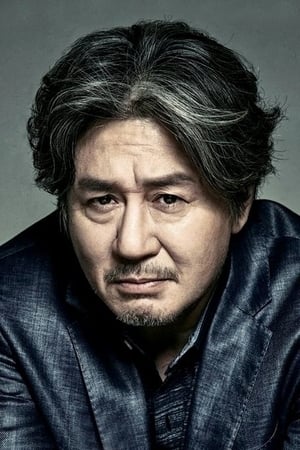
Choi Min-sik
ActingSeoul, South KoreaChoi Min-sik has firmly established himself as a powerhouse in South Korean cinema, known for his compelling performances that often delve into the darker aspects of human nature. Born on May 30, 1962, he began his artistic journey in the world of theatre, honing his craft before transitioning to television and film. Choi's early career was marked by a slow but steady rise, with his first notable appearance in the television series The Moon of Seoul in 1994, where his potential as a serious actor began to shine.
It was in 1999 that Choi truly made waves in the film industry with the critically acclaimed movie Shiri, a thriller that not only captivated audiences but also became a significant turning point in his career. This film showcased his ability to convey deep emotion and intensity, setting the stage for his future successes.
However, it was his riveting portrayal in Oldboy (2003) that solidified Choi Min-sik's status as one of South Korea's most esteemed actors. This film, part of Park Chan-wook's renowned Vengeance Trilogy, earned him widespread acclaim and numerous awards, including the Best Actor accolade at the Baeksang Arts Awards, Blue Dragon Film Awards, and the Grand Bell Awards. His performance was not just a display of acting skill but a transformative experience that left an indelible mark on both audiences and critics alike.
Choi's filmography is a testament to his versatility, with roles that span various genres. His subsequent films, including Lady Vengeance (2005) and I Saw the Devil (2010), further showcased his range as an actor capable of navigating complex characters with ease. In Nameless Gangster: Rules of the Time (2012) and New World (2013), Choi continued to captivate audiences with his commanding presence, proving his ability to anchor any narrative.
His performance in The Admiral: Roaring Currents (2014) marked another milestone, as the film became the highest-grossing in South Korean history. For this role, he was awarded the Grand Prize at the 51st Baeksang Arts Awards, further cementing his legacy in the industry. Choi's influence extends beyond mere box office successes; he has become a figure that younger actors aspire to emulate, thanks to his dedication to his craft and the depth he brings to his roles.
In 2014, Choi made a significant leap into Hollywood with his role in Lucy, which introduced him to a broader audience and demonstrated his adaptability in international cinema. His recognition extended beyond the screen, as he was named Gallup Korea's Film Actor of the Year, highlighting his popularity and impact on the film industry.
Despite his global ventures, Choi Min-sik has remained a cornerstone of Korean cinema, consistently delivering powerful performances in films such as Forbidden Dream (2019) and Exhuma (2024). His return to television in Big Bet (2022), after a lengthy hiatus, showcased his enduring appeal and commitment to storytelling.
Choi's career is marked not only by his impressive body of work but also by his ability to challenge conventional narratives within the industry. His dedication to portraying complex characters has paved the way for more nuanced storytelling in South Korean cinema, leaving a lasting legacy that continues to influence the next generation of filmmakers and actors.
Insomniacs Trivia
- Choi Min-sik's portrayal in Oldboy was inspired by the character's emotional depth and complexity.
- He initially studied theatre at the Korea National University of Arts before transitioning to film and television.
- Choi's role in The Admiral: Roaring Currents saw him portray a historical figure, adding to his diverse range of characters.
- He won the Best Actor award at the Baeksang Arts Awards multiple times, highlighting his consistent excellence in acting.
- Choi's performance in Lucy helped bridge the gap between Korean cinema and Hollywood, showcasing his international appeal.
Insomniacs Take
Choi Min-sik stands out not just for his remarkable talent but for his ability to bring authenticity to every role he undertakes. His commitment to exploring the depths of his characters sets him apart in a crowded industry. As he continues to take on diverse projects, Choi remains a compelling figure worth watching, ensuring that his influence on South Korean cinema will resonate for years to come.
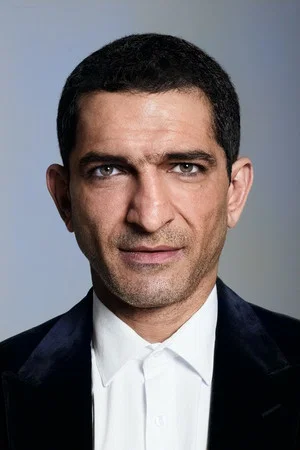
Amr Waked
ActingCairo, EgyptBorn in Cairo, Egypt, Amr Waked has carved a niche for himself in the world of film and theatre. His early years were steeped in the rich cultural tapestry of his homeland, and his academic pursuits at the American University in Cairo saw him studying both economics and theatre. This unique blend of disciplines would later inform his approach to acting and production.
Waked's professional journey began in earnest when he joined the Temple Theatre Troop in 1994, followed by his involvement with the Yaaru Theatre Troop in 1999. These formative experiences on stage honed his craft and prepared him for the transition to film. His debut on the silver screen came in 1998 with Ossama Fawzy's film "Gannet El Shayateen," where his compelling performance garnered attention and laid the groundwork for a successful career.
The year 2003 marked a significant turning point as Waked appeared in Stephen Gaghan's political thriller "Syriana." This international project introduced him to a wider audience and showcased his ability to tackle complex roles. His performance in this film was met with acclaim, opening doors to further opportunities in global cinema.
Waked's versatility as an actor was evident in his subsequent roles, including his portrayal in the acclaimed television mini-series "House of Saddam." His ability to embody multifaceted characters has earned him a reputation for depth and authenticity, qualities that resonate with both audiences and critics alike.
In 2012, Waked expanded his horizons beyond acting by co-founding "zad communication & production llc." This venture was aimed at addressing developmental and social issues within Egypt and the broader Middle East. The company's first feature film, "Winter of Discontent," directed by Ibrahim El Batout, premiered at the prestigious Venice Film Festival in the same year, marking a significant achievement for Waked as a producer.
Throughout his career, Waked has received numerous accolades for his performances, reflecting the industry’s recognition of his talent and dedication. His ability to navigate both local and international film landscapes has made him a prominent figure, bridging cultural narratives and contributing to storytelling on a global scale.
Amr Waked's influence extends beyond his filmography; he has become a voice for social change through his work in production. His commitment to highlighting pressing issues through the medium of film underscores his belief in the power of storytelling to inspire and enact change.
As he continues to take on diverse roles and explore new avenues in the film industry, Waked's legacy is one of both artistic excellence and social responsibility. His journey serves as an inspiration to aspiring actors and filmmakers, demonstrating that passion, hard work, and a commitment to one’s roots can lead to remarkable achievements.
Insomniacs Trivia
- Amr Waked studied economics and theatre, giving him a unique perspective on storytelling.
- His stage experience includes work with two notable theatre troops before making his film debut.
- Waked co-founded a production company focused on social issues, showcasing his commitment to impactful storytelling.
- He has worked alongside prominent figures in international cinema, expanding his reach beyond Egyptian films.
- His work in the film "Winter of Discontent" was recognized at the Venice Film Festival, highlighting his dual role as actor and producer.
Insomniacs Take
Amr Waked exemplifies the kind of actor who seamlessly transitions between local and international projects while maintaining a strong commitment to his roots. His work not only entertains but also provokes thought and discussion around social issues. With a growing body of work that includes both powerful performances and impactful production efforts, Waked stands out as a significant figure in contemporary cinema, contributing to the broader dialogue surrounding film and society.