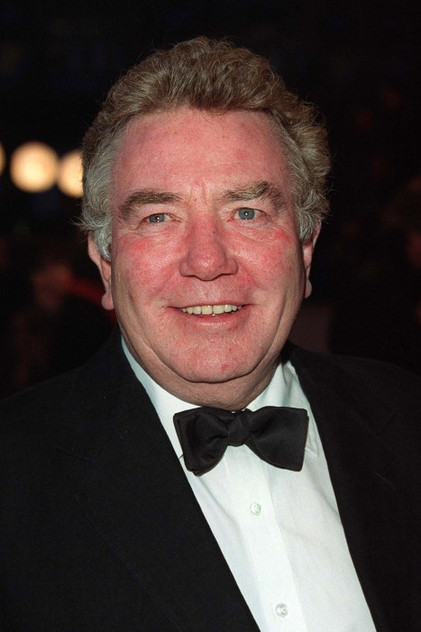

Best Performance by a Male Actor in a Supporting Role in any Motion Picture
🎬 Big Fish
Outstanding Performance by a Cast in a Motion Picture
🎬 Traffic
Outstanding Performance by a Male Actor in a Supporting Role
🎬 Erin Brockovich
Best Supporting Actor
🎬 Erin Brockovich
Best Performance by a Male Actor in a Motion Picture u2013 Drama
🎬 Under the Volcano
Albert Finney, hailing from Salford, England, carved out a remarkable career that showcased his exceptional versatility and depth. His formative years at the Royal Academy of Dramatic Art laid the groundwork for a profound understanding of performance, which would serve him well throughout his extensive body of work.
Finney made his film debut in 1960 with The Entertainer, directed by Tony Richardson, marking the start of a celebrated cinematic journey. His role quickly caught the attention of critics, leading him to a breakout performance in Saturday Night and Sunday Morning, a gritty exploration of working-class life that revealed his ability to portray complex characters with authenticity.
The early 1960s were pivotal for Finney, particularly with his performance in Tom Jones (1963). This role not only brought him widespread acclaim but also garnered his first Academy Award nomination. The character of Tom, full of charm and bravado, showcased Finney’s impressive range and charisma, firmly establishing him as a key player in British cinema.
Throughout the 1970s and 1980s, Finney embraced a variety of roles that highlighted his acting prowess. His memorable portrayal of Hercule Poirot in Murder on the Orient Express (1974) combined sophistication with an endearing touch of whimsy. Additionally, in Scrooge (1970), he infused new life into the classic tale, while his performance in Two for the Road (1967) demonstrated his finesse in handling intimate narratives.
Finney’s performances were distinguished by a deep emotional resonance, blending intensity with subtlety. Whether he was depicting a disillusioned war veteran or a charming conman, he infused each role with authenticity. His work in The Dresser (1983) stands out, as he portrayed an aging actor faced with the harsh realities of his fading career, earning him another Oscar nomination.
As his career progressed, Finney continued to deliver standout performances, with notable roles in Erin Brockovich (2000) and Big Fish (2003). In the former, he played a pivotal supporting character, demonstrating his ability to convey depth and nuance, which earned him a nomination for Best Supporting Actor at the Academy Awards. His appearance in Skyfall (2012) further illustrated his enduring relevance in an ever-evolving industry.
Finney’s contributions to the performing arts have been acknowledged with numerous accolades, including BAFTA and Golden Globe awards, as well as an Emmy for his portrayal of Winston Churchill in The Gathering Storm. His dedication to his craft and the diverse characters he portrayed have left a lasting mark on both stage and screen.
Beyond his award-winning performances, Finney’s influence on the industry transcends his roles. He famously resisted typecasting, opting for projects that challenged conventional narratives and character archetypes. This commitment to varied storytelling has inspired countless actors who followed in his footsteps.
Albert Finney’s legacy is one of immense talent and dedication. His ability to captivate audiences across various mediums has secured his place as a significant figure in British cinema, leaving behind a rich tapestry of work that continues to resonate.
Albert Finney’s career serves as a reminder of the power of versatility in acting. He blurred the lines between leading man and character actor, deftly navigating genres and styles throughout his life. His performances invite viewers to engage deeply with storytelling, making him a central figure in the evolution of British cinema. Finney’s commitment to his craft and refusal to conform to industry expectations have left an enduring legacy that continues to inspire new generations of actors.
There are no projects categorized under this tab on our directory at the moment.


