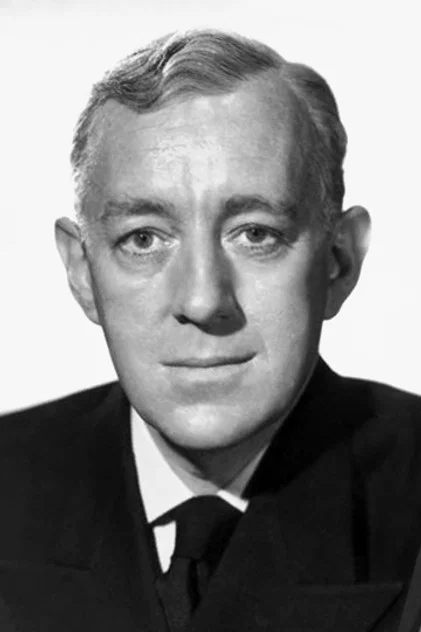

Alec Guinness was a remarkable figure in the realm of acting, whose versatility and talent left a lasting mark on cinema and television. Born as Alec Guinness de Cuffe, he grew up in a modest setting in London. His early exposure to theatre ignited a passion for performance, leading him to pursue acting professionally. His journey began on the stage, where he honed his craft and developed a unique style that would later captivate audiences around the world.
Guinness’s early career was marked by a series of stage performances that showcased his range and depth. He became a prominent member of the Old Vic Theatre Company in the 1930s, where he garnered attention for his compelling portrayals. His transition to film was seamless, and he quickly became associated with the beloved Ealing Comedies. Films such as Kind Hearts and Coronets highlighted his extraordinary ability to embody multiple characters, as he portrayed eight distinct roles in the same film, demonstrating his remarkable skill and comedic timing.
His breakout role came with The Bridge on the River Kwai, where he astoundingly brought to life Colonel Nicholson, a complex character caught in the turmoil of war. This performance not only earned him widespread acclaim but also clinched him the Academy Award for Best Actor. The film itself became a classic, solidifying Guinness’s reputation as a serious actor capable of remarkable emotional depth.
Perhaps one of his most iconic roles was that of Obi-Wan Kenobi in the original Star Wars trilogy. This character introduced Guinness to a new generation of fans and showcased his ability to adapt to diverse genres, from sci-fi to historical drama. His portrayal of the wise Jedi Master became a defining moment in his career, demonstrating his unique ability to bring gravitas to fantastical narratives.
Guinness also made a significant impact on television, particularly with his role as George Smiley in the adaptation of Tinker, Tailor, Soldier, Spy. His meticulous performance captured the essence of John le Carré’s character, further establishing him as a versatile actor adept at complex storytelling. This role, along with his work in films such as Lawrence of Arabia, where he played Prince Feisal, illustrated his remarkable range, as he effortlessly navigated both heroic and morally ambiguous characters.
Throughout his career, Guinness was recognised with numerous accolades, reflecting his influence on the industry. His work was marked not only by awards but also by the respect of his peers. He was made a Commander of the Order of the British Empire (CBE) and later received a knighthood, acknowledging his significant contributions to the arts.
Guinness’s legacy extends beyond his impressive filmography. His ability to inhabit characters so fully has inspired countless actors and filmmakers. His commitment to his craft and his willingness to take on diverse roles set a standard for excellence in acting.
As a performer who transcended genres and styles, Alec Guinness remains a cherished figure in the history of cinema. His work continues to resonate with audiences, reminding us of the power of storytelling and the art of performance.
Alec Guinness’s career is a testament to the power of versatility in acting. His ability to seamlessly transition between genres and portray an array of characters has set a benchmark for actors in the industry. Whether he was playing the tragic hero in a war film or a whimsical character in a comedy, his performances were always layered and engaging. His legacy lives on, inspiring new generations of actors to embrace the craft with the same passion and dedication that he exhibited throughout his remarkable career.
There are no projects categorized under this tab on our directory at the moment.

