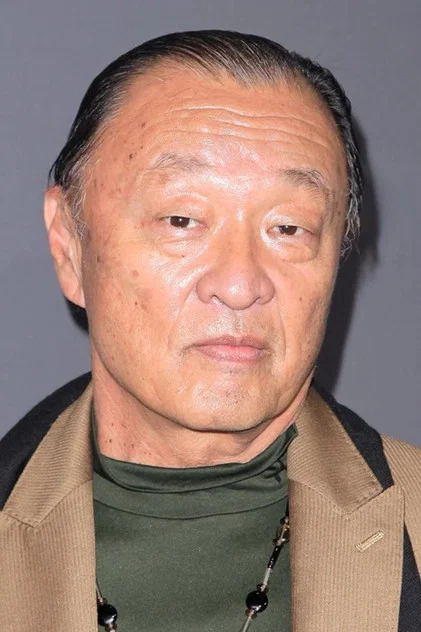

Cary-Hiroyuki Tagawa is a distinguished figure in both American and Japanese cinema, celebrated for his multifaceted talents as an actor, producer, and martial artist. Born in Tokyo, Japan, he moved to the United States at a young age, where he would ultimately carve out a notable career in the entertainment industry. His diverse background has not only influenced his performances but also allowed him to navigate effortlessly between various genres and roles.
Tagawa’s early career was marked by a commitment to honing his craft, leading him to various stage productions and smaller roles in television. His dedication paid off when he began to gain attention for his work in notable films and series. The late 1980s and early 1990s saw him steadily rising through the ranks, with memorable appearances in popular shows and films that showcased his unique skill set.
The actor’s breakthrough came with his unforgettable portrayal of Shang Tsung in the film adaptation of the iconic video game Mortal Kombat. This role catapulted him into the spotlight, earning him recognition for his ability to embody complex characters with a blend of charisma and menace. His performance not only resonated with audiences but also helped to redefine the portrayal of Asian characters in Hollywood, steering away from stereotypes.
Throughout his career, Tagawa has displayed a remarkable range in his acting style. He effortlessly transitions from intense, dramatic roles to lighter, more comedic performances, showcasing his versatility. His role as Heihachi Mishima in the Tekken film further solidified his status as a formidable presence in action cinema, while also appealing to fans of the original video game franchise.
Tagawa’s influence extends beyond his filmography. His work in television, including appearances in series like Star Trek: The Next Generation, Nash Bridges, and Heroes, has left a lasting mark. His ability to engage with diverse audiences has made him a respected figure in the industry, inspiring many aspiring actors and filmmakers, particularly those from similar backgrounds.
Over the years, Tagawa has received various accolades that highlight his contributions to film and television. His performances have earned him nominations and awards, acknowledging not only his talent but also his impact on the portrayal of Asian characters in Western media. This recognition has paved the way for future generations, contributing to a more inclusive representation in Hollywood.
In addition to his screen work, Tagawa is also known for his dedication to martial arts, which has played a crucial role in shaping his acting career. His background in martial arts has allowed him to perform many of his own stunts, adding authenticity to his roles and enhancing the action sequences in which he participates.
As his career progressed, Tagawa continued to take on diverse roles, demonstrating that he is not confined to any one genre or character type. His ability to adapt and reinvent himself has ensured his relevance in the industry, making him a beloved figure among fans of all ages. His legacy is one of a trailblazer, opening doors for future actors while challenging the norms of character representation.
Through his body of work, Cary-Hiroyuki Tagawa has left an indelible mark on the film and television landscape. His journey reflects not only his personal achievements but also a broader cultural shift towards greater diversity and representation in the arts.
Cary-Hiroyuki Tagawa’s career represents a significant shift in how Asian characters are portrayed on screen. His ability to bring depth to his roles along with a strong command of martial arts has set him apart in action cinema. Tagawa’s performances not only entertain but also challenge conventions, making him a vital part of the conversation around diversity in film. His ongoing influence encourages a new generation of filmmakers and actors to embrace complex storytelling that transcends cultural barriers.
There are no projects categorized under this tab on our directory at the moment.

