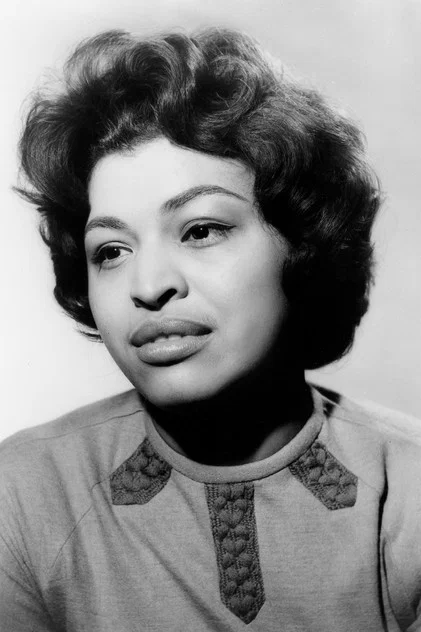

Gloria Foster emerged as a compelling force in the world of theatre and film, captivating audiences with her remarkable talent and distinct presence. Born in 1933, she began her artistic journey in the vibrant cultural landscape of the United States, where her passion for performance flourished. Foster’s early career was marked by her commitment to stage acting, showcasing her exceptional range and ability to embody complex characters.
Her stage performances were not just roles; they were profound explorations of the human experience, as seen in her acclaimed participation in productions like In White America and Having Our Say. These roles not only earned her critical acclaim but also solidified her reputation as a powerful interpreter of the written word. Over the years, Foster garnered three Obie Awards, a remarkable achievement that highlighted her contributions to Off-Broadway theatre.
Foster’s transition into film brought her into the spotlight, where she became widely known for her role as the Oracle in the groundbreaking sci-fi films The Matrix and The Matrix Reloaded. Her portrayal of the Oracle, a character steeped in wisdom and foresight, resonated with audiences and added a remarkable layer to the film’s narrative. These performances showcased not only her acting prowess but also her ability to convey deep philosophical themes through her work.
In addition to her roles in the Matrix series, Foster’s television appearances demonstrated her versatility as an actress. She poignantly portrayed the mother of Yusef Bell in the miniseries The Atlanta Child Murders, which aired in 1985. This role highlighted her skill in tackling difficult subjects, bringing to life the emotional weight of familial loss and societal issues.
Throughout her career, Gloria Foster was known for her unique acting style, which combined a naturalistic approach with a profound emotional depth. Her performances often invited audiences to reflect on the complexities of identity and the human condition, making her a significant figure in both theatre and film. Foster’s ability to navigate diverse roles with grace and authenticity set her apart in an industry that often underrepresented voices like hers.
As her career progressed, she continued to take on challenging roles that pushed the boundaries of her craft. Foster’s impact extended beyond her performances; she inspired a generation of actors, particularly women of colour, to pursue their artistic aspirations and to tell their stories. Her legacy is not only defined by the accolades she received but also by the doors she opened for others in the industry.
In recognition of her contributions, Foster’s work is celebrated in various retrospectives and discussions surrounding representation in film and theatre. She remains an influential figure, remembered for her dedication to her craft and her ability to resonate with audiences on a profound level.
Gloria Foster’s contributions to the arts remain significant, particularly in how she navigated the complex landscape of race and representation in the entertainment industry. Her iconic role as the Oracle transcends mere performance, serving as a cultural touchstone that continues to inspire. Foster’s legacy is a poignant reminder of the power of storytelling and the importance of diverse voices in shaping narratives that reflect the breadth of human experience.
There are no projects categorized under this tab on our directory at the moment.

