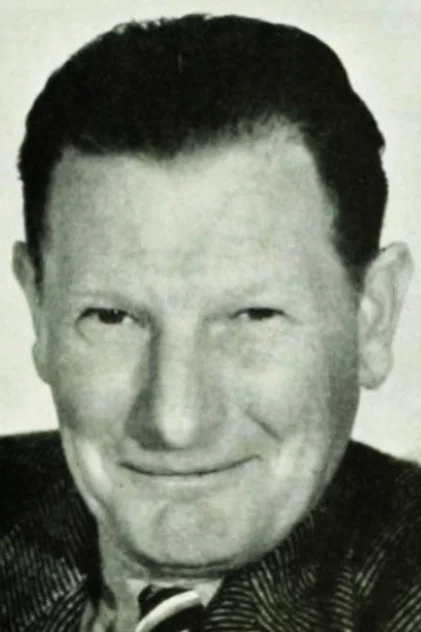

Joseph, born Jasper Joseph Inman Kane in San Diego on 19 March 1894, carved a unique niche in the film industry. Initially stepping into the world of music as a professional cellist, he later transitioned into filmmaking, an industry that would allow him to express his creativity on a much grander scale. His early fascination with cinema sparked in the early 1930s, leading him to explore directing, which he would embrace wholeheartedly.
His directorial journey began in earnest in 1935 with the film The Fighting Marines. This marked the start of a prolific career, as Kane quickly became a prominent figure at Republic Pictures, particularly known for his work in the Western genre. His ability to craft compelling narratives and direct thrilling action sequences made him a go-to director for Westerns, solidifying his status within the studio.
Throughout his career, Kane directed an impressive array of films, with a staggering total of 119 feature films and numerous television episodes to his credit. His collaborations with stars like Gene Autry and Roy Rogers became well-known, and he famously directed John Wayne in The Lawless Nineties in 1936 and Flame of Barbary Coast in 1944. These films showcased his adept handling of the Western genre, where he brought a sense of authenticity and adventure that resonated with audiences.
In addition to directing, Kane took on multiple roles within the film industry. His work as an associate producer on many of his projects allowed him to influence the filmmaking process beyond the director’s chair. Between 1939 and 1957, he produced over 60 films, showcasing his versatility and understanding of the industry from multiple angles. His skills also extended to editing, where he contributed to the post-production process of more than 20 films, and he even dabbled in acting, adding yet another layer to his extensive career.
As the 1950s rolled in, Kane adapted to the changing landscape of entertainment by shifting his focus to television. He continued to thrive in the Western genre, directing numerous series that captivated audiences during this golden age of television. His work during this period ensured that he remained a relevant figure in the entertainment industry, as he introduced his engaging storytelling style to a new medium.
In his later years, Kane transitioned to serving as a second-unit director on various productions, including Universal Studios’ Beau Geste in 1966 and In Enemy Country in 1968. This role allowed him to continue contributing to the film industry, albeit in a different capacity, ensuring that his extensive experience was utilized even as he aged.
Joseph’s impact on the film industry is undeniable. His dedication to the Western genre not only shaped his career but also influenced generations of filmmakers and actors who followed in his footsteps. By directing films that captured the spirit of adventure and rugged individualism, he left an indelible mark on the genre that continues to resonate today. His legacy lives on through the many works he created, and his contributions are still appreciated by film enthusiasts around the world.
Joseph’s contributions to the film industry are a testament to his versatility and dedication. His ability to seamlessly transition from music to directing, producing, and editing highlights a rare talent in the entertainment realm. His films not only entertained audiences but also shaped the Western genre in ways that are still felt today. As we explore his body of work, it’s clear that his legacy is not just in the films he created but also in the inspiration he provided to countless filmmakers who continue to tell stories of adventure and heroism.
There are no projects categorized under this tab on our directory at the moment.

