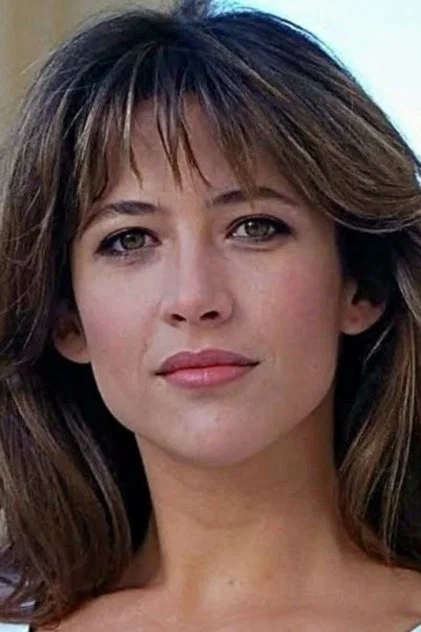

Sophie Marceau, born Sophie Danièle Sylvie Maupu on 17 November 1966 in Paris, emerged from modest beginnings to become a prominent figure in the film industry. The daughter of Simone, a shop assistant, and Benoît Maupu, a truck driver, her early years were marked by the divorce of her parents when she was just nine. This pivotal moment in her childhood shaped her aspirations and resilience, leading her to a career in the spotlight.
Marceau’s entry into the world of cinema began almost serendipitously. In February 1980, she and her mother stumbled upon a modelling agency seeking fresh young faces. With a touch of trepidation, she posed for photographs, unaware that this would be the gateway to her acting career. Shortly thereafter, she caught the attention of casting director Françoise Menidrey, who was searching for a new talent for Claude Pinoteau’s film La Boum. Her subsequent performance in the film, released in 1980, resonated with audiences, leading to over four million tickets sold in France and establishing her as a household name.
Following the success of La Boum, Marceau starred in its sequel, La Boum 2, in 1982, solidifying her status as a rising star. However, rather than rest on her laurels, she sought to diversify her roles, taking on more dramatic and challenging characters. Her determination to shape her career trajectory saw her buy back her contract with Gaumont at the tender age of 16, a bold move that demonstrated her commitment to her craft.
In the mid-1980s, Marceau began to take on more serious roles, appearing in notable films such as Fort Saganne, Joyeuses Pâques, and Descente aux enfers. Each performance showcased her growing range and depth as an actress. By 1988, she starred in L’Étudiante, which further elevated her profile in the film industry. Marceau’s ability to portray complex characters earned her accolades, including the title of Best Romantic Actress at the International Festival of Romantic Movies for her role in Chouans!
Marceau’s transition to international stardom was marked by her appearance in the critically acclaimed film Braveheart in 1995, where she played the role of Princess Isabelle. The film’s success not only resonated with audiences but also showcased her talents on a global scale. This was followed by other significant roles, including her portrayal in the 19th James Bond film, The World Is Not Enough, where she played the enigmatic Elektra King. These performances established her as a versatile actress capable of captivating audiences across various genres.
Throughout her career, Marceau has been unafraid to tackle socially relevant themes. Her later works, including Arrêtez-moi, Jailbirds, and Everything Went Fine, reflect her desire to engage with critical issues through her art. This willingness to address poignant topics has been a hallmark of her filmography, contributing to her reputation as a thought-provoking artist.
In addition to her impressive acting credentials, Marceau’s influence extends beyond the screen. She has graced the covers of over 300 magazines worldwide and has collaborated with numerous luxury brands, further establishing her as a prominent cultural figure. Her contributions to the arts were recognised when she was made an Officer in the Ordre des Arts et des Lettres in 2003, an honour reflecting her impact on French cinema.
Despite her accolades, Marceau declined the Legion of Honour in 2015, a decision that sparked discussions about the nature of recognition in the arts. This act of defiance highlights her independent spirit and commitment to her personal values.
Sophie Marceau’s legacy is one of authenticity and determination. She has navigated a career that spans decades, continuously evolving as both an actress and a cultural icon. Her body of work not only entertains but also challenges perceptions, making her a significant figure in the landscape of modern cinema.
Sophie Marceau’s career is a remarkable tapestry of diverse roles and impactful performances. From her early days as a teenage star to her emergence as a serious actress tackling complex themes, she has consistently defied expectations. Her ability to navigate both commercial and critical successes speaks to her talent and vision. As she continues to evolve, Marceau remains a compelling figure in cinema, inspiring new generations of actors and filmmakers alike.
There are no projects categorized under this tab on our directory at the moment.

