
Outstanding Actor in a Drama Series
🎬 Godfather of Harlem
Best New Non-Scripted or Documentary Series
🎬 Hollywood Black
Outstanding Guest Actor in a Drama Series
🎬 Andor
Breakthrough Nonfiction Series
🎬 Hollywood Black
Outstanding British Film
🎬 Passing
Best Feature
🎬 Passing
Outstanding Performance by a Cast in a Motion Picture
Best First Feature
🎬 Sorry to Bother You
Best First Feature
🎬 Songs My Brothers Taught Me
Best First Feature
🎬 Fruitvale Station
Outstanding Performance by a Cast in a Motion Picture
Outstanding Performance by a Male Actor in a Leading Role
Best Actor
🎬 The Last King of Scotland
Outstanding Performance by a Male Actor in a Leading Role
🎬 The Last King of Scotland
Best Performance by a Male Actor in a Motion Picture u2013 Drama
🎬 The Last King of Scotland
Best Male Lead
🎬 American Gun
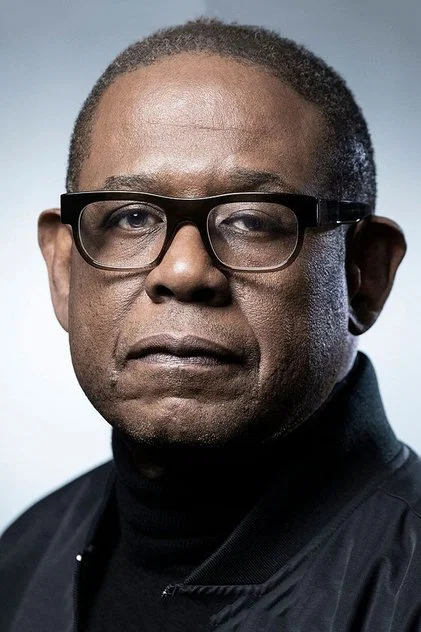
Forest Whitaker has established himself as a remarkable presence in the film industry, renowned for his ability to delve deeply into the psyche of his characters. His journey began with a notable appearance in the teen classic Fast Times at Ridgemont High in 1982, marking the start of a career that would span decades, showcasing his diverse range and passion for storytelling.
In the early stages of his career, Whitaker’s talent for portraying complex characters became evident through roles in films like Platoon (1986) and Good Morning, Vietnam (1987). His performance in Platoon highlighted the emotional turmoil experienced by soldiers, while Good Morning, Vietnam allowed him to balance both humor and serious themes. His role in Bird (1988), where he played the legendary jazz musician Charlie Parker, further solidified his reputation as an actor capable of delivering intense and nuanced performances.
As he forged ahead in his career, Whitaker continued to impress with his ability to tackle challenging roles. His performance in The Crying Game (1992) was thought-provoking, pushing the boundaries of storytelling. In Phenomenon (1996), he explored themes of love intertwined with loss, showcasing his range as an actor. The enigmatic character he portrayed in Ghost Dog: The Way of the Samurai (1999) exemplified his unique acting style, fusing stoicism with an underlying vulnerability.
A significant milestone in Whitaker’s career came with his portrayal of Ugandan dictator Idi Amin in The Last King of Scotland (2006). This performance earned him an Academy Award for Best Actor, solidifying his status as a formidable talent in the industry. His ability to embody such a complex and notorious figure revealed not only his acting prowess but also his dedication to the craft.
Whitaker’s filmography extends beyond dramatic roles; he has appeared in major films such as Panic Room (2002) and the epic Rogue One: A Star Wars Story (2016), demonstrating his versatility across genres. His role as Zuri in Black Panther (2018) allowed him to showcase a blend of wisdom and strength, further enriching the narrative of the film.
In addition to his acting career, Whitaker has also ventured into directing, with his debut coming from the television film Strapped (1993). He continued to direct feature films like Waiting to Exhale (1995) and Hope Floats (1998), illustrating his desire to tell meaningful stories that resonate with audiences. His work behind the camera often reflects themes of resilience and the human experience.
Outside of cinema, Whitaker is deeply committed to humanitarian efforts. His role as a UNESCO Goodwill Ambassador since 2011 has seen him advocate for peace and social change. Through his non-profit organisation, the Whitaker Peace and Development Initiative (WPDI), he has worked tirelessly to promote reconciliation and support communities in need.
Whitaker’s impact on the film industry goes beyond his performances; his thoughtful approach to acting and storytelling has inspired many in the industry. His legacy is marked by a commitment to both artistry and social justice, leaving a profound imprint on cinema and broader society.
Forest Whitaker’s ability to inhabit diverse characters has made him a standout figure in contemporary cinema. His performances resonate with authenticity, drawing viewers into the emotional depths of his roles. As he continues to explore complex narratives both in front of and behind the camera, it’s clear that Whitaker’s contributions extend far beyond entertainment, impacting social issues and inspiring change.
There are no projects categorized under this tab on our directory at the moment.