
Best Supporting Actor in a Limited Series or a Movie Made for Television
🎬 The Regime
Best Performance by a Male Actor in a Motion Picture u2013 Musical or Comedy
🎬 Heretic
Outstanding Performance by a Male Actor in a Television Movie or Limited Series
🎬 The Undoing
Outstanding Lead Actor in a Limited or Anthology Series or Movie
🎬 The Undoing
Best Performance by a Male Actor in a Limited Series, Anthology Series or Motion Picture Made for Television
🎬 The Undoing
Outstanding Performance by a Male Actor in a Television Movie or Limited Series
🎬 A Very English Scandal
Best Performance by a Male Actor in a Limited Series, Anthology Series or Motion Picture Made for Television
🎬 A Very English Scandal
Outstanding Performance by a Male Actor in a Supporting Role
🎬 Florence Foster Jenkins
Best Supporting Actor
🎬 Florence Foster Jenkins
Best Performance by a Male Actor in a Motion Picture u2013 Musical or Comedy
🎬 Florence Foster Jenkins
Outstanding Performance by a Cast in a Motion Picture
🎬 Sense and Sensibility
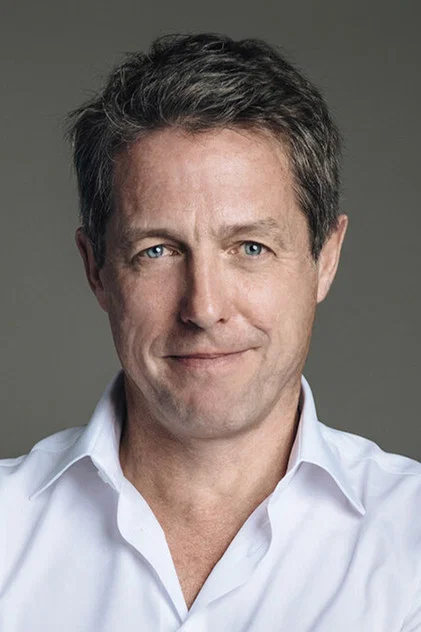
Hugh Grant, an actor and producer hailing from England, has developed a unique presence in the film world, often recognized for his endearing yet self-effacing portrayals. Born in 1960, Grant’s initial encounters with acting took place during his time at Oxford University, where he majored in English literature. Engaging in student productions ignited his passion for the stage, prompting him to pursue a professional acting career after completing his studies.
His significant breakthrough arrived with the hit film Four Weddings and a Funeral in 1994, directed by Richard Curtis. This unexpected success thrust Grant into the limelight, establishing him as a household name. His performance as Charles, a hapless romantic, revealed his remarkable talent for intertwining comedic elements with moments of genuine emotion, a trend that would permeate much of his subsequent work.
During the late 1990s, Grant became closely associated with romantic comedies, leaving audiences enchanted with films like Notting Hill (1999) and Mickey Blue Eyes (1999). These performances reinforced his status as a leading man, as he effortlessly combined his characteristic wit with a relatable appeal. His ability to infuse irony with sincerity became a defining aspect of his acting style.
As the new millennium approached, Grant’s career underwent an intriguing transformation. While he continued to star in romantic comedies, he began to delve into more intricate characters. The early 2000s saw him recognized for his compelling performances in films such as Bridget Jones’s Diary (2001) and About a Boy (2002), where he embraced more nuanced narratives. His portrayals of charming yet flawed individuals showcased his versatility, positioning him as an actor capable of depth beyond the typical romantic lead.
Grant’s involvement in Love Actually (2003) further cemented his place within the genre, embodying a character that was both lovable and relatable. His knack for delivering clever, humorous lines with impeccable timing demonstrated his command of comedy, securing his status as a fixture in British cinema. Even with projects like American Dreamz (2006), he showcased his commitment to pushing the boundaries of his roles.
Despite his celebrated career, Grant has voiced a certain ambivalence towards the acting profession. He has been open about his critiques of celebrity culture, often lamenting the media’s focus on his personal life rather than his artistic work. This perspective has cultivated his reputation as an ‘anti-movie star,’ reflecting his dedication to authenticity over the trappings of fame.
Throughout his career, Grant has earned numerous accolades, including a Golden Globe Award and a BAFTA, along with an Honorary César. His films have collectively amassed over $2.4 billion at the box office, underscoring his status as one of the industry’s most commercially successful actors. However, it is his richly layered performances and willingness to take on unconventional roles that have left a lasting impression on both audiences and filmmakers.
As Hugh Grant continues to navigate his career, his legacy is marked by complexity and charm. He stands as a fascinating figure in the film industry, effortlessly blending humour with a critical eye towards the business, while consistently challenging the norms of what it means to be a leading man.
Hugh Grant’s evolution from a charming romantic lead to a more complex actor reflects his adaptability in a rapidly changing film landscape. While he remains best known for his comedic roles, his willingness to challenge himself with diverse characters speaks volumes about his depth as an artist. Grant’s candid critiques of celebrity culture and the acting profession add an intriguing layer to his public persona, making him not just a star, but a thoughtful commentator on the industry he inhabits.
There are no projects categorized under this tab on our directory at the moment.


