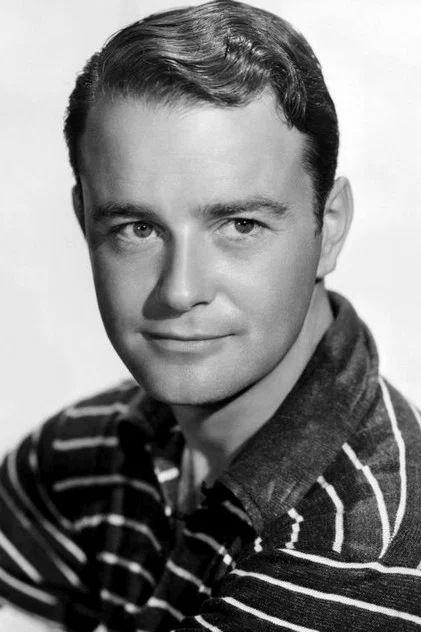

Born in Minneapolis, Minnesota, Lew Ayres spent his formative years in sunny San Diego, California. His journey into the world of film began somewhat serendipitously; a talent scout discovered him while he was performing at the Coconut Grove nightclub in Los Angeles. This chance encounter led him to Hollywood, where he initially took on minor roles. However, his talent soon shone through, and he became the leading man opposite the legendary Greta Garbo in the 1929 film, The Kiss.
Ayres’ career truly took off with his poignant portrayal of Paul Baumer in the groundbreaking film All Quiet on the Western Front in 1930. The film’s powerful anti-war sentiment left a lasting impression on him, shaping not just his career but also his personal beliefs. This role marked a significant turning point in his career, as it showcased his ability to convey deep emotional resonance.
As the 1930s rolled on, Ayres solidified his status as a household name, notably starring in the beloved Young Dr. Kildare in 1938. However, his path took an unexpected turn when he was drafted into the military during World War II. As a conscientious objector, Ayres faced considerable backlash from the public, with many theatres vowing to boycott his films. Despite this, he was able to serve in the Medical Corps, demonstrating his commitment to his principles while aiding others in combat zones like the South Pacific, New Guinea, and the Philippines.
Following his military service, Ayres found it challenging to regain his footing in Hollywood. His return to the silver screen was marked by a notable performance in Johnny Belinda (1948), where he played a compassionate doctor caring for a deaf-mute character portrayed by Jane Wyman. This role garnered him an Academy Award nomination for Best Actor, reaffirming his substantial acting prowess.
Despite the recognition, Ayres struggled to find consistent roles in the years that followed. An opportunity to reprise his role as Dr. Kildare for television fell through when the network refused to accommodate his request to avoid cigarette sponsorship. Nevertheless, he continued to act, taking on various roles that reflected his evolving artistic vision.
In the 1970s, Ayres channeled his wealth of experience into a passion project, seeking to bridge Eastern philosophies with Western audiences. The resulting film, Altars of the World (1976), while not a commercial success, received critical acclaim and earned him a Golden Globe Award, highlighting his lasting impact on the film industry.
Lew Ayres passed away in Los Angeles on December 30, 1996, just two days after celebrating his 88th birthday. His legacy endures through his diverse body of work, characterized by a blend of sensitivity and depth, forever influencing how stories of humanity are portrayed on screen.
Lew Ayres’ career serves as a fascinating lens through which to explore the evolving landscape of Hollywood and its relationship with social issues. His courageous stance as a conscientious objector during World War II, coupled with his emotive performances, reveals a man deeply connected to the human experience. From his impactful roles to his philosophical pursuits later in life, Ayres has left an indelible mark on the industry, reminding us of the power of cinema to reflect and challenge societal norms.
There are no projects categorized under this tab on our directory at the moment.

