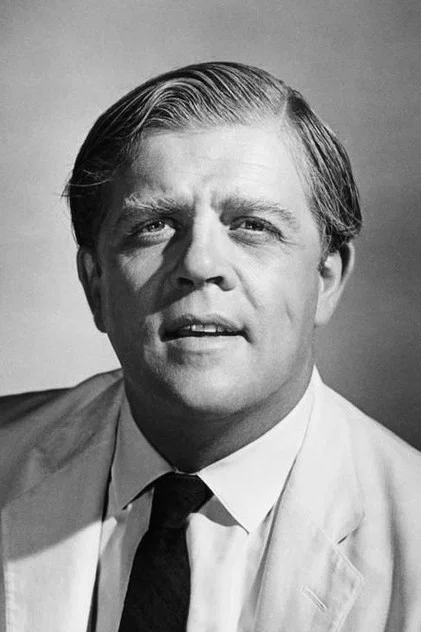



Pat Hingle, born Martin Patterson Hingle on July 19, 1924, carved a niche for himself in the realm of American cinema with his commanding presence and rich vocal timbre. His career spanned several decades, during which he became synonymous with roles that often depicted authority figures, showcasing his ability to bring depth and nuance to characters typically seen in positions of power.
Hingle’s journey into acting began in earnest after his service in the military during World War II. Upon returning, he honed his craft at the University of North Carolina, where he studied drama. His early career was marked by a series of stage performances, which laid the groundwork for his transition to film and television. His theatrical background equipped him with a distinctive style that was both engaging and relatable, allowing him to resonate with audiences on various levels.
His breakthrough came in the 1950s when he appeared in a number of notable films, including the classic Western “Shane” (1953), where his portrayal of a complex character added layers to the narrative. This role, among others, established him as a reliable and versatile actor, capable of embodying a range of personalities, from the stoic to the deeply conflicted.
Over the years, Hingle developed a reputation for his exceptional portrayal of judges, police officers, and other figures of authority. His performances in films like “The Longest Day” (1962) and “Hang ‘Em High” (1968) further cemented his status in Hollywood. He often infused his characters with a sense of gravitas, making them memorable and impactful, a testament to his skill and dedication to his craft.
In addition to his film work, Hingle made significant contributions to television. He was a guest star on the early NBC legal drama “Justice,” which was inspired by real-life cases from the Legal Aid Society of New York. This role was a natural fit for him, given his background in portraying authority figures, and showcased his versatility in adapting to different formats.
Hingle’s contributions to the acting profession did not go unnoticed. Throughout his career, he received various accolades, reflecting the respect he garnered from peers and critics alike. His performances often featured a blend of strength and vulnerability, which allowed audiences to connect with his characters on a deeper level. His ability to navigate complex emotional landscapes contributed to his lasting influence on the industry.
Even as he transitioned into the later stages of his career, Hingle remained a familiar face on screen, taking on roles that further demonstrated his range as an actor. His performances in the “Batman” film series, where he portrayed Commissioner Gordon, introduced him to a new generation of fans and further solidified his place in cinematic history.
Pat Hingle passed away on January 3, 2009, leaving behind a rich legacy. His body of work continues to inspire aspiring actors and serves as a reminder of the impact that a dedicated performer can have on the film and television landscape. His ability to portray authority figures with depth has left a lasting mark on the industry, and his performances will be remembered by audiences for years to come.
Pat Hingle’s career is a fascinating study in how an actor can define a genre through the embodiment of authority. His ability to portray judges and police officers with such authenticity not only made him a staple in these roles but also elevated the narratives in which he participated. It’s a testament to his talent that even today, his performances in films like “Shane” and as Commissioner Gordon resonate with audiences, proving that a well-crafted character can leave a lasting impact long after the credits roll.
There are no projects categorized under this tab on our directory at the moment.