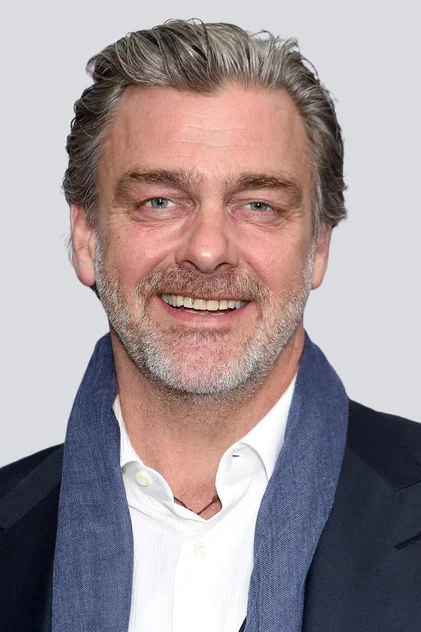

Ray Stevenson was a multifaceted actor whose journey through film, television, and theatre showcased his exceptional talent. Born in 1964 in Lisburn, Northern Ireland, he relocated to England during his youth, establishing his roots in Newcastle-Upon-Tyne. Coming from a family with military ties—his father was a Royal Air Force pilot—Stevenson initially gravitated towards the arts, but his early ambitions led him to explore a career in interior design after attending art school.
Stevenson’s foray into acting commenced later in life when he made a pivotal decision at the age of 25 to enroll at the Bristol Old Vic Theatre School. This choice proved to be transformative, honing his skills and preparing him for a robust career that would eventually see him become a familiar face both on screen and stage.
His initial forays into the world of acting comprised television films, with notable performances in productions like The Return of the Native (1994). Throughout the late 1990s, Stevenson accumulated experience through various projects, including The Theory of Flight (1998) and Greenwich Mean Time (1999). These early roles were instrumental in establishing his versatility and adaptability across genres.
The watershed moment in Stevenson’s career arrived with the 2004 film King Arthur, where he took on the role of Dagonet, a knight of the Round Table. This performance marked his international breakthrough, placing him alongside a stellar cast that featured Clive Owen and Keira Knightley. The role showcased Stevenson’s ability to imbue supporting characters with depth and nuance.
However, it was his portrayal of Titus Pullo in HBO’s acclaimed series Rome (2005-2007) that truly thrust him into the limelight. As the audacious and often witty legionary, Stevenson captivated both audiences and critics, earning accolades for his compelling performance and commanding presence on screen.
Stevenson demonstrated remarkable range by seamlessly transitioning between genres, achieving notable success in action and horror films such as Outpost (2008) and his role as Frank Castle in Punisher: War Zone (2008). His interpretation of the gritty anti-hero was distinguished by a blend of physicality and emotional resonance, reinforcing his reputation as a formidable presence in the action genre.
In addition to his film and television achievements, Stevenson made valuable contributions to the theatre scene. He took on significant roles, notably portraying the Cardinal in The Duchess of Malfi at the Royal National Theatre. His theatrical performances highlighted his versatility and commitment to his craft, further enriching his diverse body of work.
Throughout his career, Stevenson garnered recognition for his performances, receiving nominations and awards that underscored his talent and dedication. His influence extended beyond his on-screen roles, inspiring a new generation of actors with his passionate approach to storytelling.
Stevenson’s legacy is defined by his impressive array of performances and his authentic approach to acting. His ability to inhabit complex characters and render them memorable left an enduring impact on audiences and colleagues alike, ensuring that he will be remembered as a significant figure in the entertainment landscape.
Ray Stevenson’s remarkable ability to embody a diverse array of characters truly set him apart in the entertainment industry. From his early days in theatre to his breakout roles in film and television, he captivated audiences with his compelling performances. His range, coupled with a deep commitment to character work, made every role memorable. As we reflect on his contributions, it is clear that Stevenson not only entertained but also left a lasting impact on his peers and aspiring actors alike.
There are no projects categorized under this tab on our directory at the moment.


