
Outstanding British Film
🎬 Die My Love
Best Guest Actor in a Comedy Series
🎬 The Studio
Outstanding Guest Actor in a Comedy Series
🎬 The Studio
Best Picture
🎬 Killers of the Flower Moon
Best Director
🎬 Killers of the Flower Moon
Best Film
🎬 Killers of the Flower Moon
Best Director
🎬 Killers of the Flower Moon
Best Adapted Screenplay
🎬 Killers of the Flower Moon
Outstanding Directorial Achievement in Theatrical Feature Film
🎬 Killers of the Flower Moon
Best Director u2013 Motion Picture
🎬 Killers of the Flower Moon
Best Screenplay u2013 Motion Picture
🎬 Killers of the Flower Moon
Outstanding Producer of Theatrical Motion Picture
🎬 Killers of the Flower Moon
Best Director
🎬 Killers of the Flower Moon
Best Screenplay, Adapted
🎬 Killers of the Flower Moon
Best Adapted Screenplay
🎬 Killers of the Flower Moon
Best Director
🎬 Killers of the Flower Moon
Breakthrough Nonfiction Series
🎬 The Last Movie Stars
Outstanding Documentary or Nonfiction Series
🎬 Pretend It's a City
Best Picture
🎬 The Irishman
Best Director
🎬 The Irishman
Best Film
🎬 The Irishman
Best Director
🎬 The Irishman
Best Director u2013 Motion Picture
🎬 The Irishman
Best Picture
🎬 The Wolf of Wall Street
Best Director
🎬 The Wolf of Wall Street
Best Director
🎬 The Wolf of Wall Street
Best Director u2013 Motion Picture
🎬 Hugo
Best Picture
🎬 Hugo
Best Director
🎬 Hugo
Best Director
🎬 Hugo
Best Director
🎬 Gangs of New York
Best Feature
🎬 The Grifters
Best Adapted Screenplay
🎬 GoodFellas
Best Director
🎬 After Hours
Best Drama Written Directly for the Screen
🎬 Mean Streets
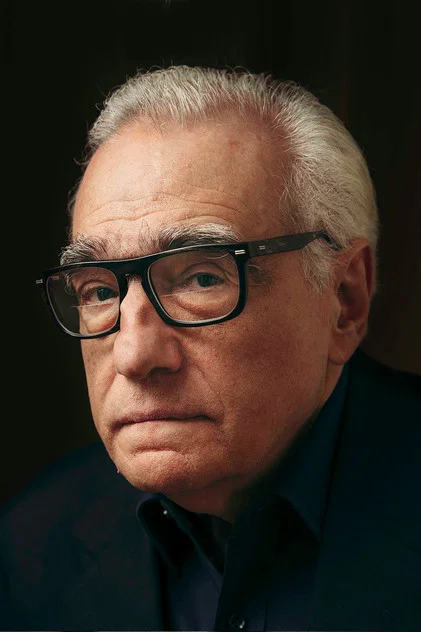
Martin Scorsese, born on November 17, 1942, is a prominent American filmmaker celebrated for his profound impact on modern cinema. Known for his distinctive storytelling style and mastery of film technique, Scorsese has carved out a significant place in the history of filmmaking. His roots in New York City and his Italian-American heritage deeply influence his work, often reflecting themes of crime, morality, and the human condition.
Scorsese’s journey in the film industry began with a Master of Arts degree from New York University’s Steinhardt School in 1968. His directorial debut, Who’s That Knocking at My Door (1967), showcased his emerging talent and was recognised at the Chicago Film Festival, setting the stage for a prolific career. The 1970s marked a turning point as he released a series of films that would define his oeuvre, exploring the darker aspects of life through the lens of flawed male characters.
His film Mean Streets (1973) introduced audiences to his signature style, featuring slow-motion sequences, voice-over narration, and gritty realism. Scorsese’s exploration of violence and morality reached new heights with the critically acclaimed Taxi Driver (1976), which earned him the Palme d’Or at Cannes and solidified his status as a leading director. The film’s protagonist, portrayed by Robert De Niro, became emblematic of Scorsese’s fascination with complex characters wrestling with their inner demons.
The collaboration between Scorsese and De Niro flourished throughout the years, resulting in a series of memorable films such as Raging Bull (1980) and Goodfellas (1990). Each project not only showcased Scorsese’s directorial prowess but also pushed the boundaries of cinematic storytelling. The director’s ability to merge intense character studies with gripping narratives captivated audiences and garnered critical acclaim.
As the decades progressed, Scorsese continued to evolve, forming a powerful partnership with actor Leonardo DiCaprio. Their collaborations, including The Departed (2006) and The Wolf of Wall Street (2013), further demonstrated Scorsese’s adaptability and keen understanding of contemporary themes. He managed to weave personal narratives with broader societal issues, making his films resonate with a new generation of viewers.
Despite his success in feature films, Scorsese also ventured into television and documentaries. His contributions to series like Boardwalk Empire and Vinyl expanded his storytelling repertoire, while documentaries such as No Direction Home offered insights into the cultural landscapes that shaped his artistic vision. His dedication to film preservation led to the establishment of several non-profit organisations aimed at safeguarding cinematic history, showcasing his commitment to the art form.
Throughout his career, Scorsese has received numerous accolades, including an Academy Award and multiple BAFTA and Emmy Awards. His films have earned a lasting place in cinematic history, with several being inducted into the National Film Registry for their cultural significance. Scorsese’s influence extends beyond his own work, inspiring countless filmmakers and redefining the landscape of American cinema.
In reflecting on his legacy, it is clear that Martin Scorsese is more than just a filmmaker; he is a passionate advocate for the medium of film. His relentless pursuit of storytelling excellence and dedication to the craft ensures that his work will continue to inspire future generations of artists and audiences alike.
Martin Scorsese stands as a towering figure in film, seamlessly blending personal narrative with cultural commentary. His ability to craft unforgettable characters and stories has not only entertained audiences but has also sparked meaningful discussions about human nature and society. As a director, he has continually challenged the norms of storytelling, making his films not just watchable but necessary viewing for anyone interested in the art of cinema.
There are no projects categorized under this tab on our directory at the moment.

