
Outstanding Performance by a Cast in a Motion Picture
Outstanding Performance by a Cast in a Motion Picture
🎬 Sense and Sensibility
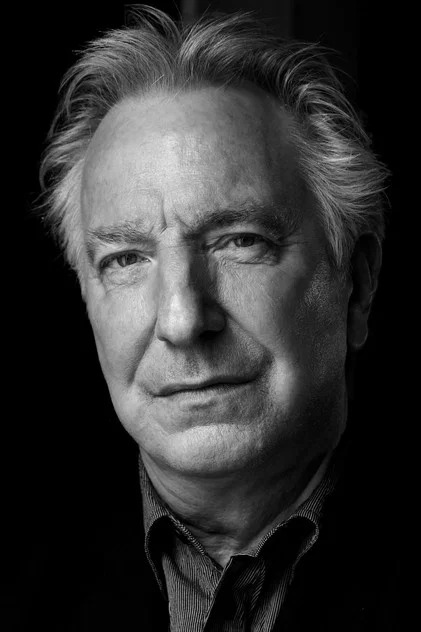
Alan Rickman was a remarkable English actor known for his captivating performances and distinctive voice. Born in February 1946, he honed his craft at the Royal Academy of Dramatic Art, where he developed a deep love for the theatrical arts. His early career was firmly rooted in classical theatre, and he quickly became a vital member of the Royal Shakespeare Company. His versatility shone through as he effortlessly took on a range of roles, from timeless classics to contemporary pieces.
Rickman’s talent on stage gained widespread acclaim, particularly with his portrayal of the Vicomte de Valmont in the RSC’s acclaimed adaptation of Les Liaisons Dangereuses. This performance not only solidified his reputation as a powerful stage presence but also led to a successful run in the West End and on Broadway, earning him a nomination for a Tony Award. His ability to merge charm with an underlying menace captivated audiences and set the stage for his film career.
His cinematic breakthrough came with the role of Hans Gruber, the suave yet dangerous antagonist in Die Hard (1988). This performance marked a significant turning point in his career, thrusting him into the spotlight and displaying his knack for portraying multifaceted characters. The character’s iconic lines and Rickman’s commanding performance quickly made him a cherished figure among film lovers.
Following this landmark role, Rickman embraced a diverse array of characters that highlighted his exceptional range. His portrayal of the Sheriff of Nottingham in Robin Hood: Prince of Thieves (1991) earned him a BAFTA Award for Best Actor in a Supporting Role, adding to a growing list of notable performances. His roles in Truly, Madly, Deeply (1991) and Sense and Sensibility (1995) showcased his ability to convey deep emotion, particularly as the romantic yet restrained Colonel Brandon.
Rickman’s impact reached across genres, effortlessly navigating both comedic and dramatic roles. His performances in Galaxy Quest (1999) and Love Actually (2003) further exemplified his versatility. However, it was his portrayal of Severus Snape in the Harry Potter series (2001-2011) that resonated deeply with audiences, blending complexity and emotional depth in a way that left a lasting mark on a generation. His skill in conveying profound emotion without resorting to overt theatrics distinguished him and made his characters both relatable and memorable.
Throughout his illustrious career, Rickman received numerous accolades, including a Golden Globe Award, an Emmy Award, and a Screen Actors Guild Award for his role in the television film Rasputin: Dark Servant of Destiny (1996). His impressive body of work reflects a commitment to his craft and a passion for storytelling that resonated with both colleagues and fans alike.
Rickman’s legacy is defined by his extraordinary ability to embody a wide range of characters with authenticity and poise. His contributions to both film and theatre have inspired countless actors, continuing to shape the industry long after his passing. He is fondly remembered not just for his exceptional talent but also for his kindness and generosity off-screen, qualities that endeared him to many.
Alan Rickman passed away in January 2016, leaving behind a rich legacy of performances that will be celebrated for years to come. His final roles in Eye in the Sky (2015) and Alice Through the Looking Glass (2016) serve as poignant reminders of the depth and range he consistently brought to his work.
Alan Rickman’s performances transcend time, leaving a lasting impact on cinema and theatre alike. His ability to blend vulnerability with strength made his characters unforgettable. Whether as a villain or a romantic lead, Rickman’s unique style and compelling presence captivated audiences, ensuring his legacy will endure in the hearts of fans and the annals of film history.
There are no projects categorized under this tab on our directory at the moment.


